/ KNOWLEDGE HUB
Learn Something From The Blog
Blog Articles
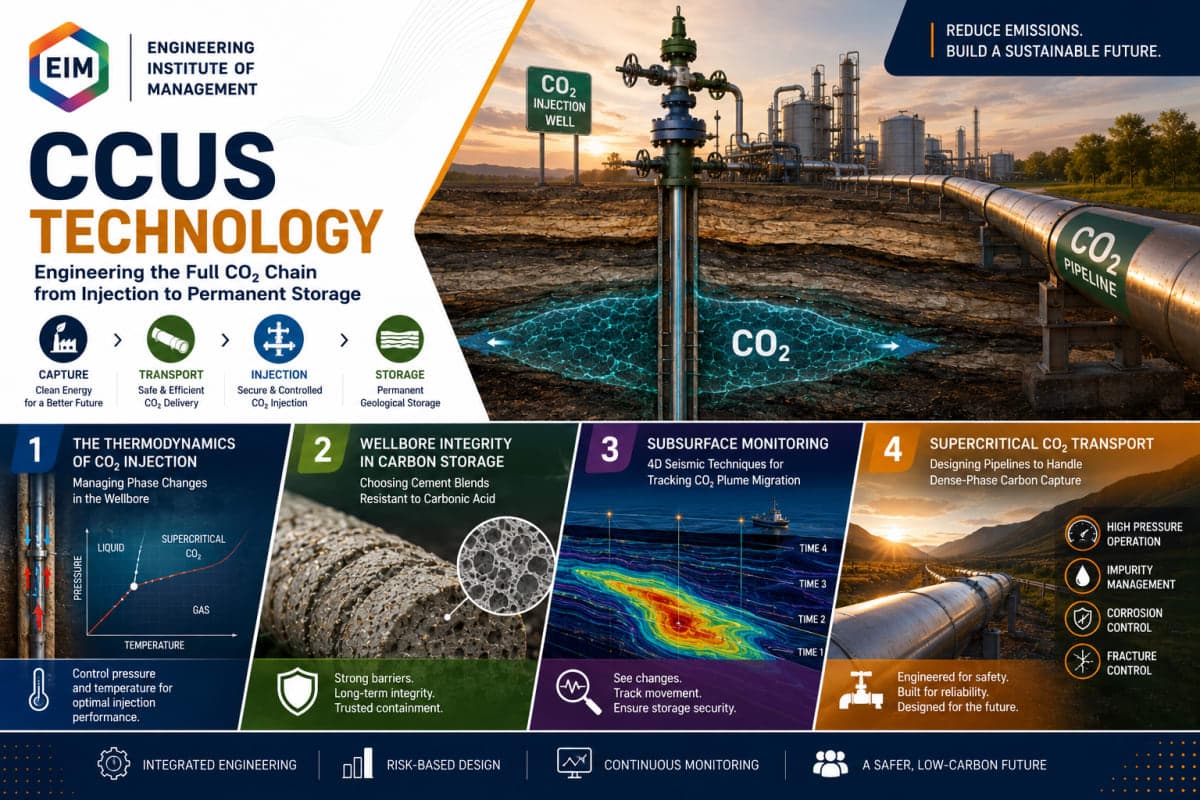
CCUS Technology: Engineering the Full CO₂ Chain from Injection to Permanent Storage
Explore the key engineering challenges in CCUS, from CO₂ phase behavior and wellbore integrity to 4D seismic plume monitoring and safe dense-phase CO₂ pipeline transport.
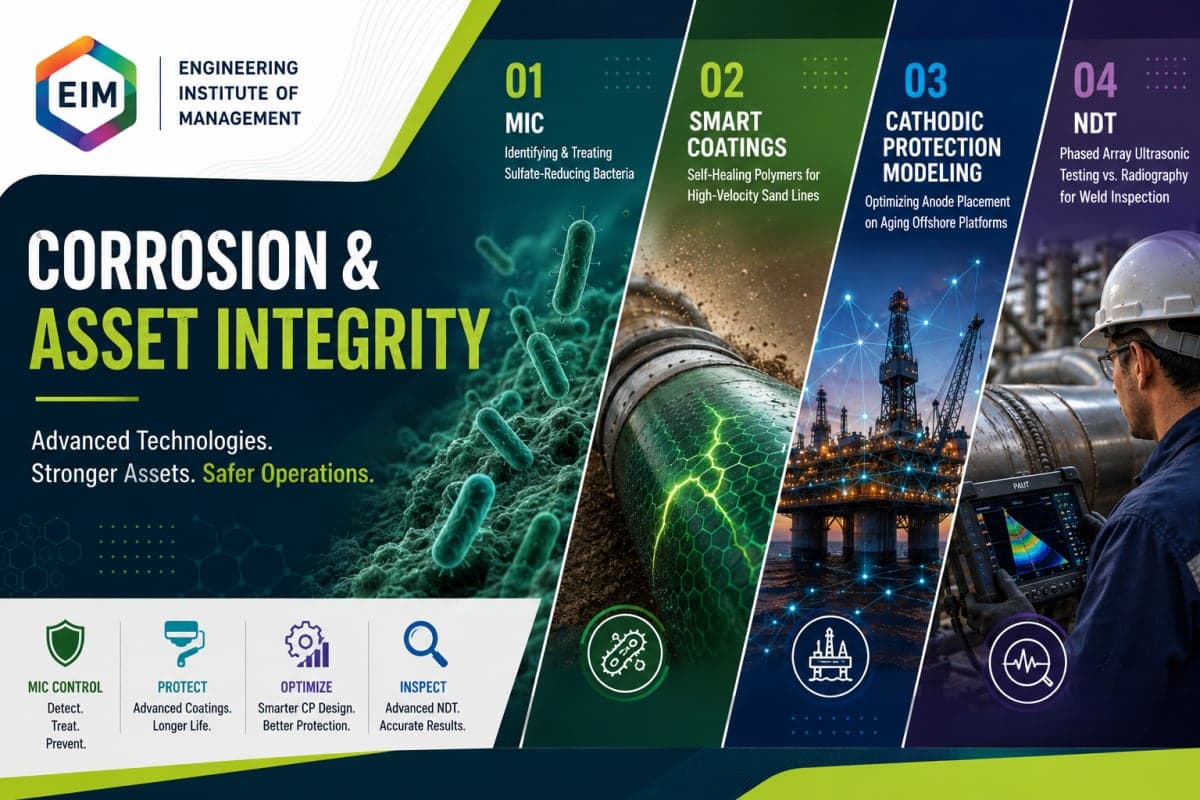
Corrosion & Asset Integrity: 4 Emerging Technologies and Techniques Every Oil & Gas Engineer Should Know
Explore four emerging approaches transforming corrosion and asset integrity management in oil & gas: MIC control, self-healing coatings, cathodic protection modeling, and advanced NDT techniques such as PAUT and radiography.
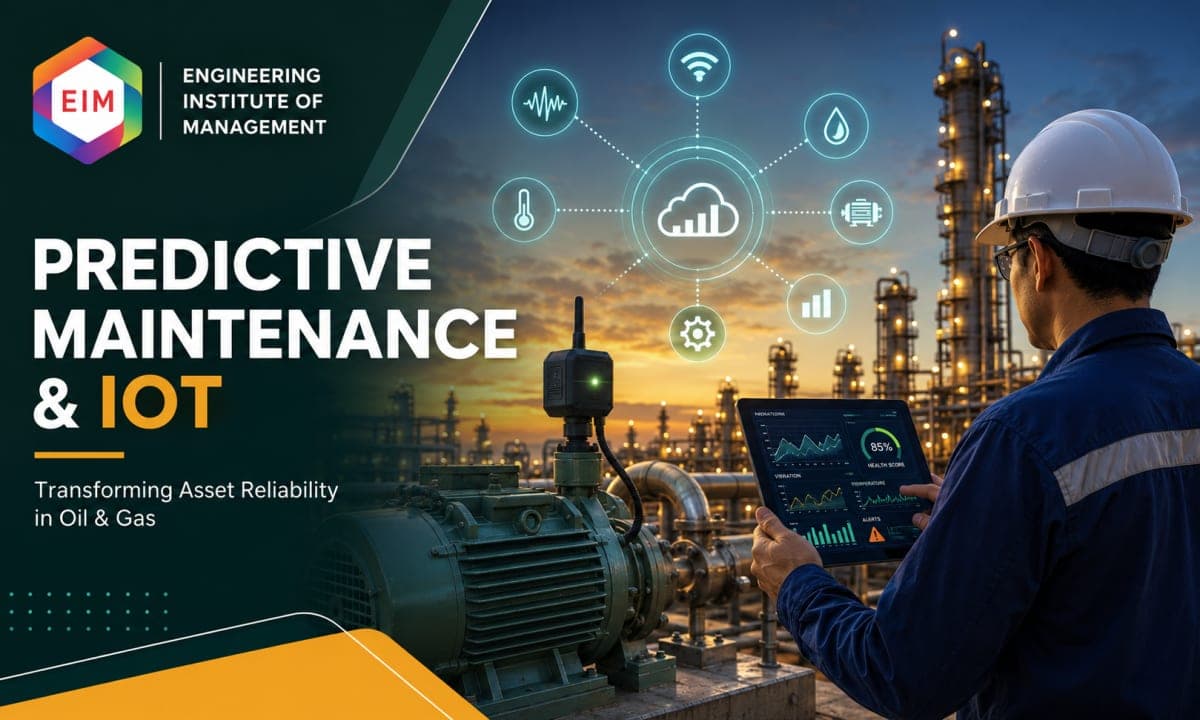
Predictive Maintenance & IoT: Transforming Asset Reliability in the Oil & Gas Industry
Discover how Predictive Maintenance and IoT are transforming oil & gas asset reliability through real-time monitoring, AI, machine learning, digital twins and smarter maintenance decisions.
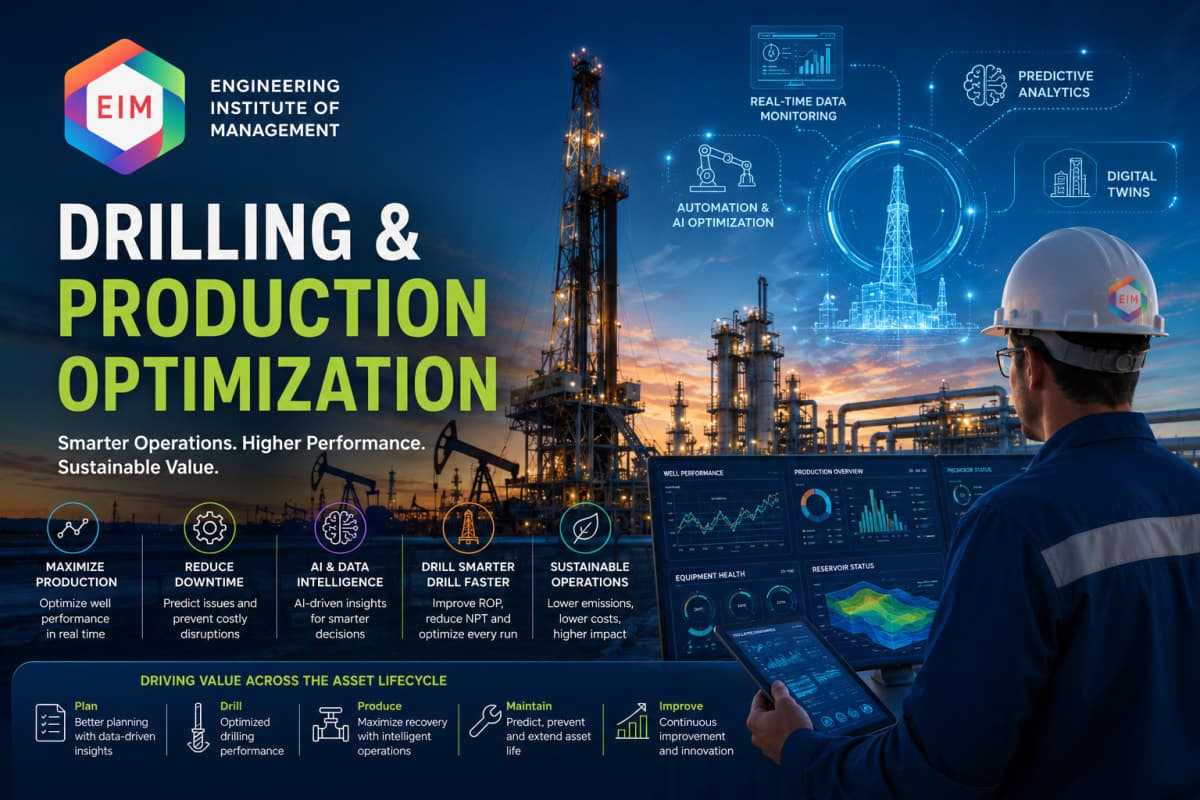
Drilling & Production Optimization: How Digital Technologies Are Transforming Upstream Oil & Gas
Discover how AI, real-time data, automation and digital twins are transforming drilling and production optimization in oil & gas, improving efficiency, reducing downtime and enabling smarter engineering decisions.
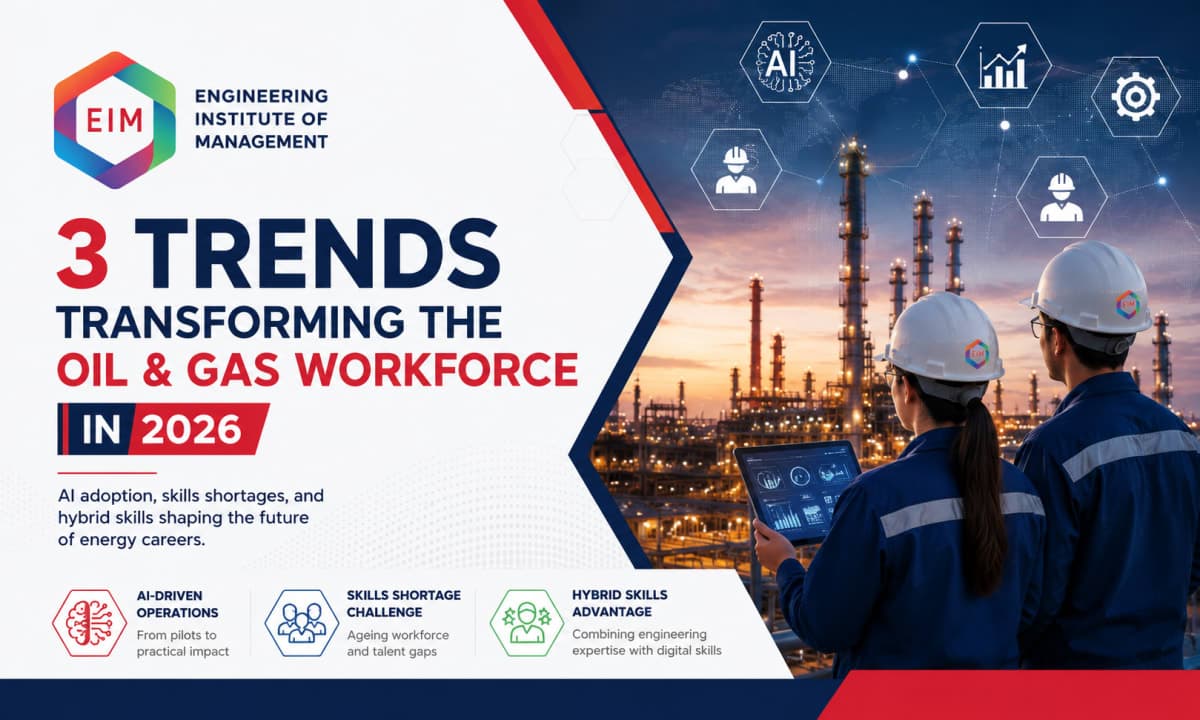
3 Trends Transforming the Oil & Gas Workforce in 2026
Discover the 3 major trends transforming the oil & gas workforce in 2026: AI-driven operations, growing technical skills shortages, and the rise of hybrid engineering skills. Learn how companies and professionals can adapt to build a smarter, more resilient workforce for the future.
API Certification Renewal: The Complete Guide for Oil & Gas Companies (2026)
Stay compliant and protect your operations with this complete guide to API certification renewal. Learn the renewal requirements, timelines, best practices, and common pitfalls for API inspector certifications, Monogram licences, and quality management programmes in the oil and gas industry.
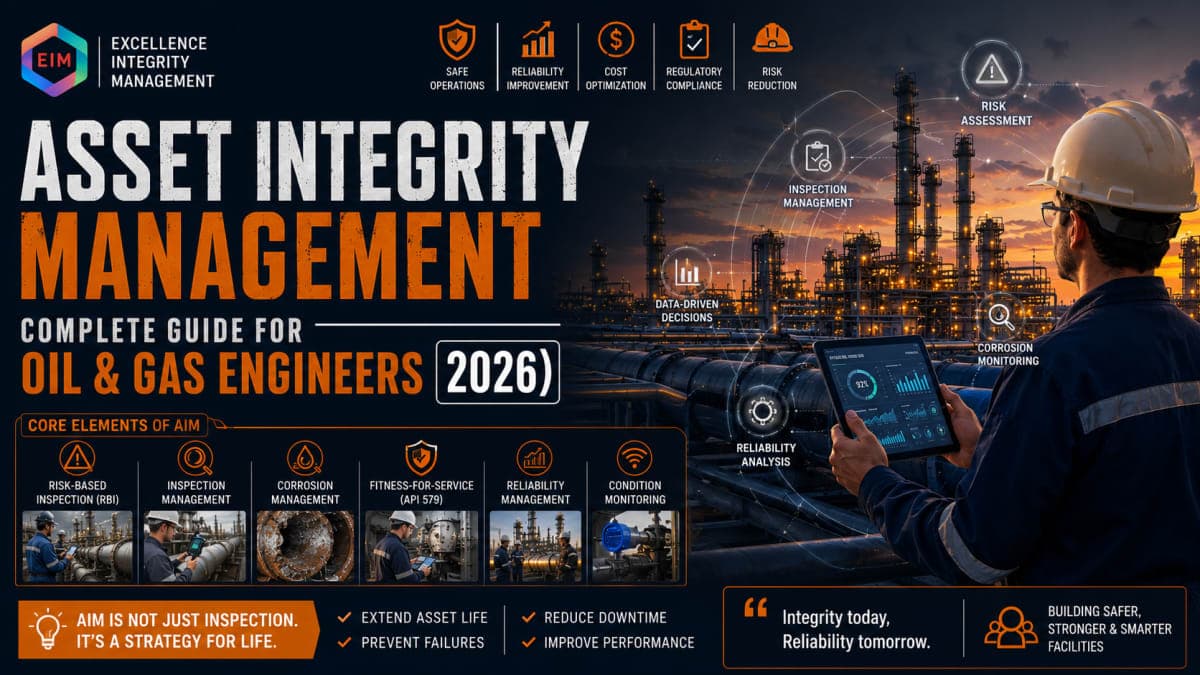
Asset Integrity Management: Complete Guide for Oil & Gas Engineers (2026)
Asset Integrity Management (AIM) is essential for ensuring the safety, reliability, and performance of critical assets in the oil and gas industry. This comprehensive guide explains the core principles, lifecycle, inspection strategies, industry standards, and best practices that help engineers reduce risk, prevent failures, and optimize asset performance.
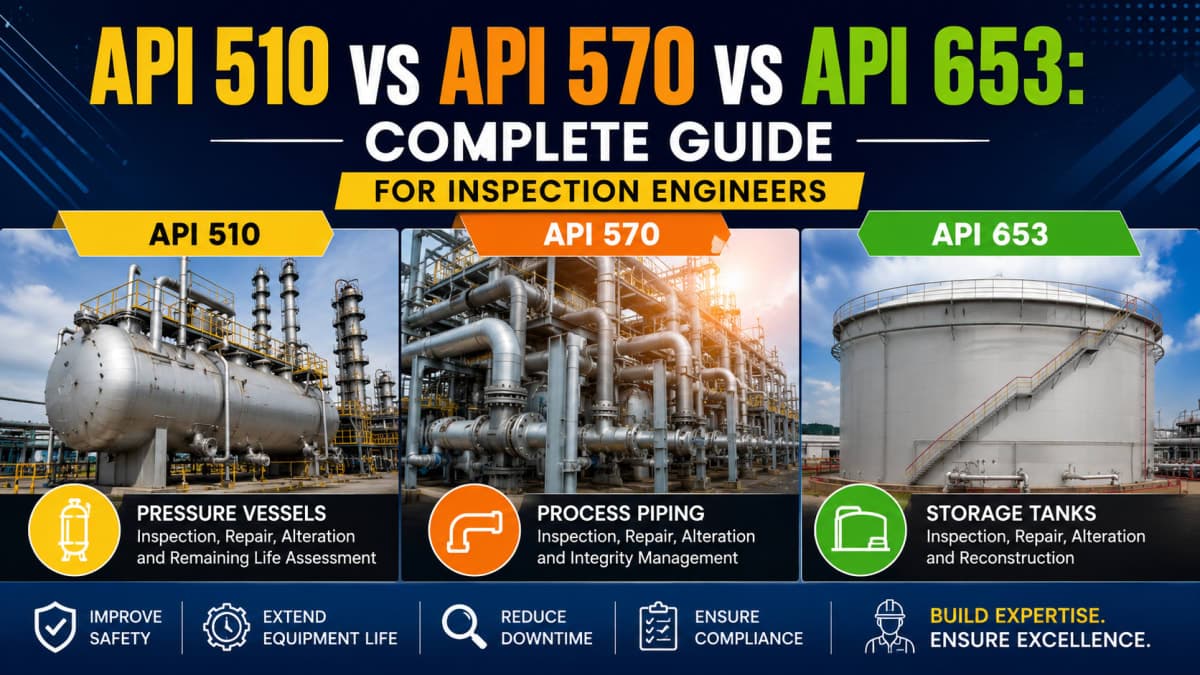
API 510 vs API 570 vs API 653: Complete Guide for Inspection Engineers
Understand the key differences between API 510, API 570, and API 653 in this comprehensive guide for inspection engineers. Learn the equipment each standard covers, their inspection requirements, and how to choose the right API code for pressure vessels, piping systems, and above-ground storage tanks.
Hydrogen Economy in Oil & Gas: Opportunities, Challenges & Future Outlook (2026 Guide)
The global energy sector is undergoing a major transformation. With increasing pressure to reduce carbon emissions and achieve sustainability targets, industries are actively exploring cleaner alternatives to traditional fossil fuels. Among all emerging solutions, hydrogen energy has gained significant attention. The concept of the hydrogen economy is no longer theoretical—it is rapidly becoming a reality. For the oil & gas industry, this shift presents not just challenges, but massive opportunities. Rather than being replaced, oil & gas companies are evolving into integrated energy providers, leveraging hydrogen to stay competitive in a low-carbon future.
API 571 Certification: Complete Guide to Pressure Equipment Inspection for GCC Professionals
Discover the complete API 571 Certification Guide for GCC professionals. Learn damage mechanisms, metallurgy, inspection methods, corrosion control, API code integration, exam preparation, salary benefits, and career opportunities in oil & gas industries.
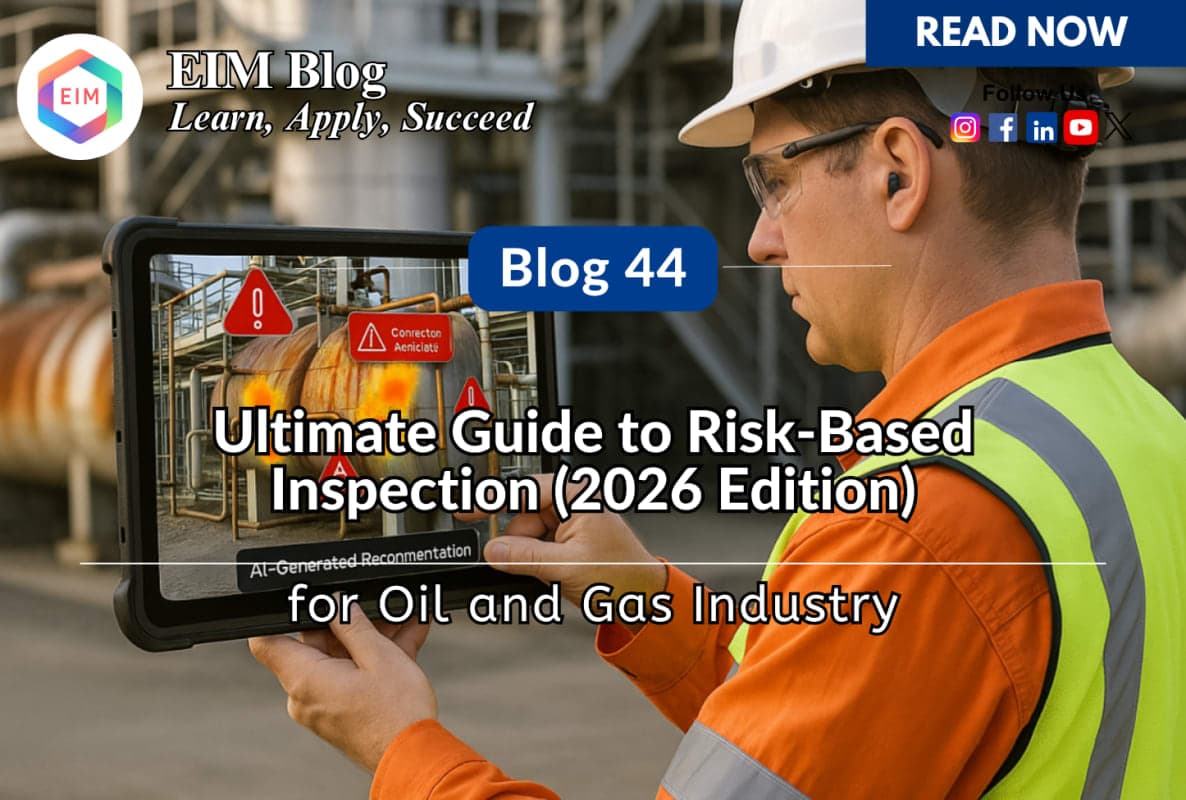
Ultimate Guide to Risk-Based Inspection (RBI) in Oil & Gas (2026 Edition)
The oil and gas industry operates in one of the most high-risk industrial environments, where equipment failure can lead to catastrophic consequences—financial, environmental, and human. Traditional inspection strategies, based on fixed schedules, often fail to identify real risk exposure. This leads to: Over-inspection of low-risk assets Under-inspection of critical equipment
Process Industries: Definition, Examples, Importance & Applications in Modern Industry
Process industries form the backbone of modern civilization. From the medicines we consume and the food we eat to the fuels that power industries and the materials used in construction—process industries are deeply embedded in our daily lives. Unlike discrete manufacturing industries that produce individual items (like cars or electronics), process industries focus on transforming raw materials into finished products through continuous or batch processes. These transformations involve chemical, physical, or mechanical changes under controlled conditions. In today’s fast-evolving industrial ecosystem, process industries are not only essential for production but also for innovation, sustainability, and global economic growth. This blog provides a comprehensive understanding of process industries, their definition, types, examples, key factors, advantages, challenges, and real-world applications.
Top 5 Mistakes Engineers Make During Chemical Field Trials (And How to Avoid Them)
Learn the top 5 mistakes engineers make during chemical field trials in the oil & gas industry. Discover practical solutions for chemical dosing, field condition analysis, monitoring, injection system reliability, risk assessment, and best practices to improve asset integrity, safety, and operational performance.
Rotating Equipment Maintenance in Oil & Gas: Ensuring Reliability, Safety, and Profitability Industry
Learn the importance of rotating equipment maintenance in the oil & gas industry. Explore maintenance strategies, common equipment failures, predictive maintenance technologies, industry standards, spare parts management, and digital transformation for improved reliability and operational efficiency.
Material Selection Challenges in High-Pressure and Corrosive Oil & Gas Environments
Learn how to select materials for high-pressure and corrosive oil & gas environments. Explore corrosion mechanisms, HPHT challenges, material options, corrosion-resistant alloys (CRAs), failure modes, mitigation strategies, and emerging technologies for long-term asset integrity and reliability.
Why Corrosion Monitoring and Inspection Planning Is Critical for Asset Life Extension
Learn how corrosion monitoring and inspection planning support asset integrity management in oil & gas, refineries, and petrochemical facilities. Discover RBI frameworks, corrosion monitoring technologies, life extension strategies, digital inspection tools, and best practices for improving reliability, safety, and operational performance.
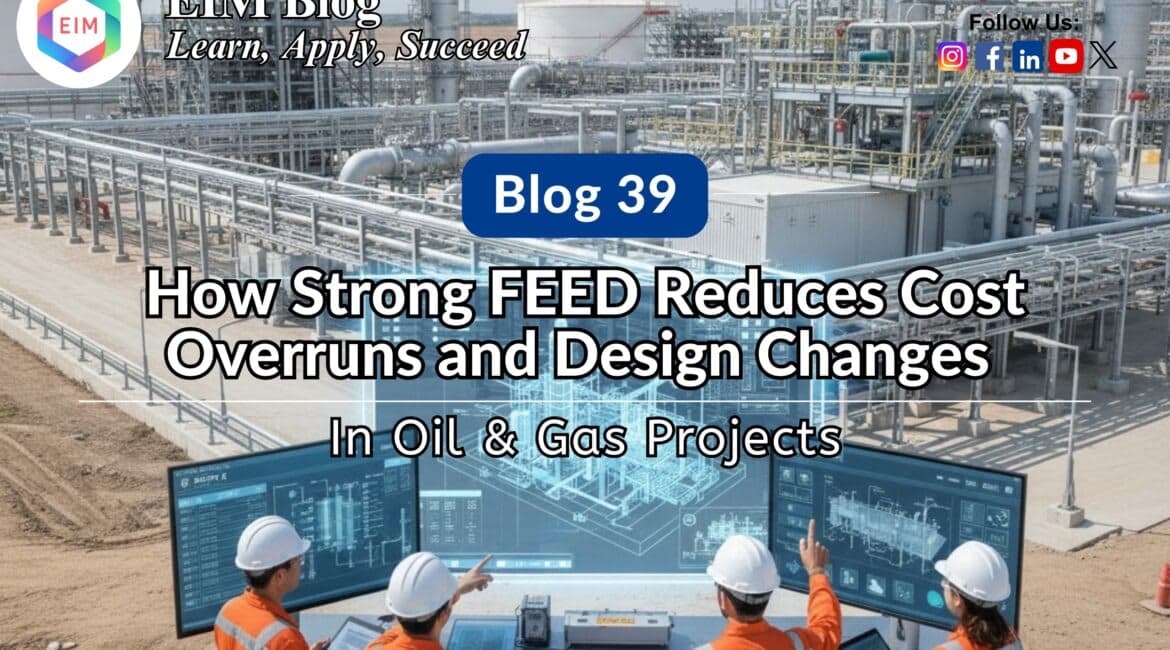
How a Strong FEED Phase Cuts Cost Overruns and Design Changes in Oil & Gas Projects
Discover why Front-End Engineering Design (FEED) is the most critical phase of oil & gas projects. Learn how high-quality FEED improves cost accuracy, reduces project risk, prevents design changes, enhances asset integrity, enables digital transformation, and supports sustainable energy infrastructure development.
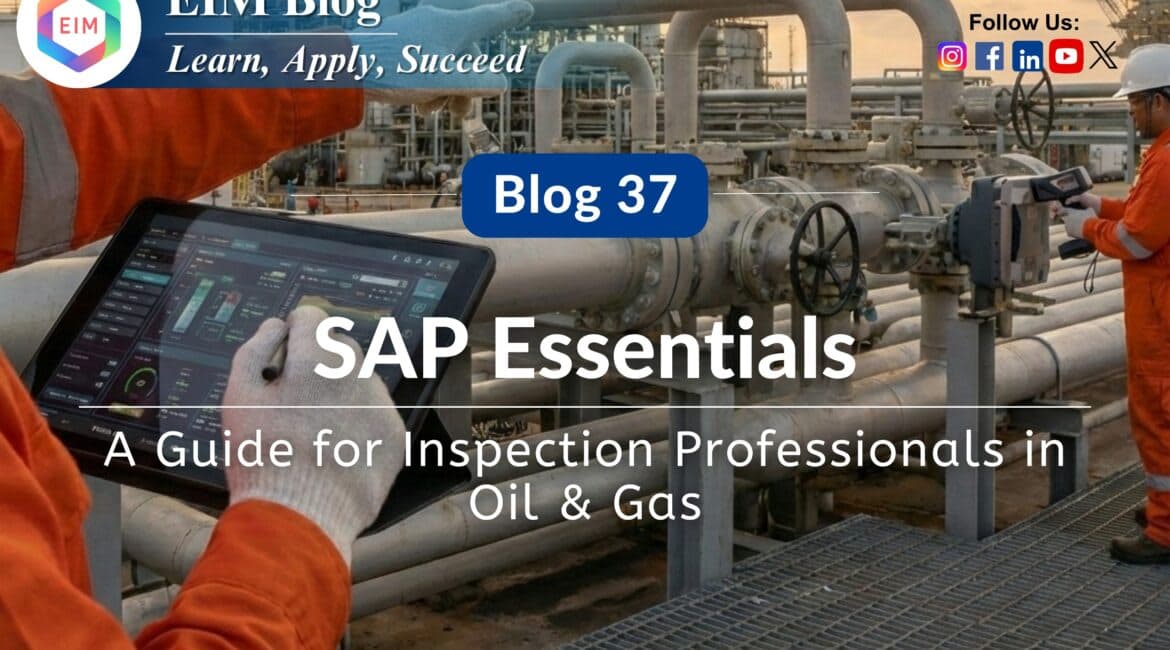
SAP Essentials for Inspection Professionals in the Oil & Gas Industry
Learn the SAP essentials every inspection professional in the oil & gas industry should know. Discover how SAP PM, EAM, S/4HANA, RBI integration, corrosion management, and digital inspection workflows improve asset integrity, compliance, reliability, and maintenance decision-making.
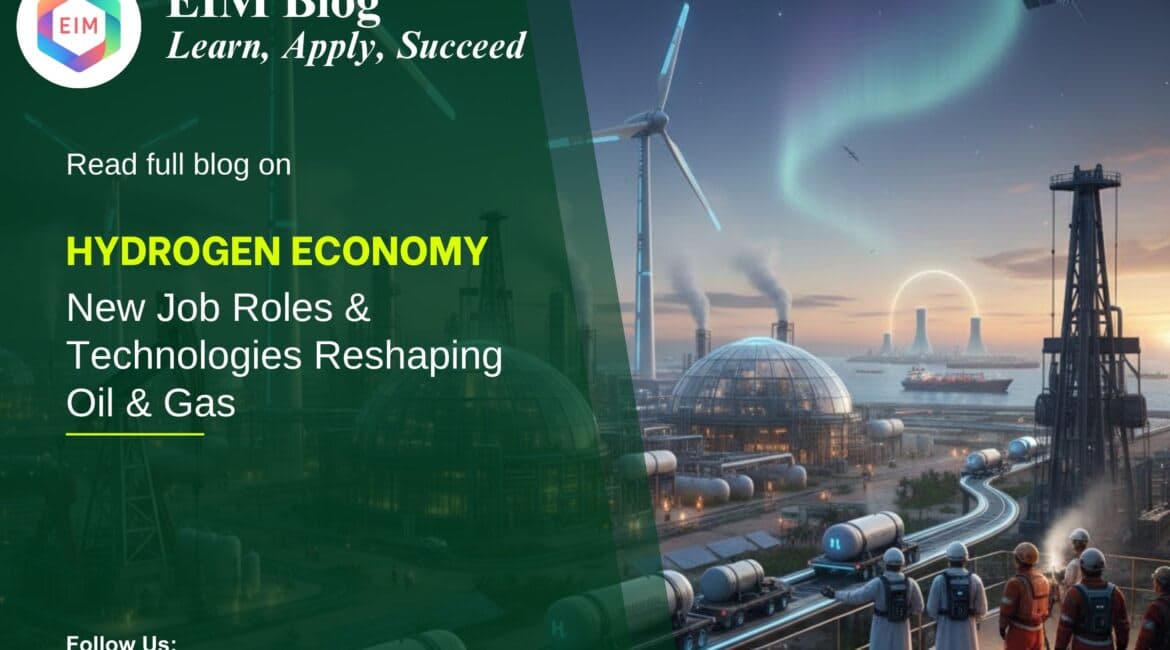
10 New Hydrogen Job Roles & Technologies Reshaping Oil & Gas Careers
Discover the top hydrogen careers transforming the oil & gas industry. Learn how engineers, technicians, safety professionals, and digital specialists can transition into hydrogen production, storage, pipelines, fuel cells, and low-carbon energy projects while leveraging existing industry expertise.
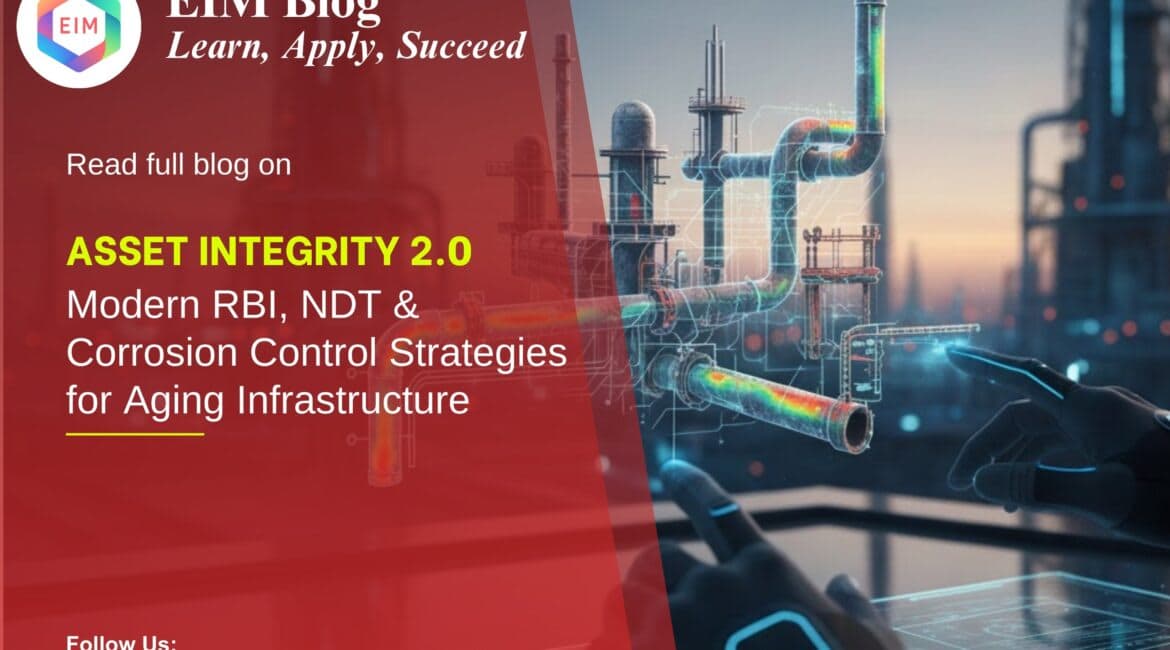
Asset Integrity 2.0: Modern RBI, NDT & Corrosion Control for Aging Infrastructure
Discover how Asset Integrity 2.0 combines Risk-Based Inspection (RBI), advanced NDT, corrosion control, digital twins, and predictive analytics to extend asset life, improve safety, reduce downtime, and optimize integrity management in aging oil & gas and industrial facilities.
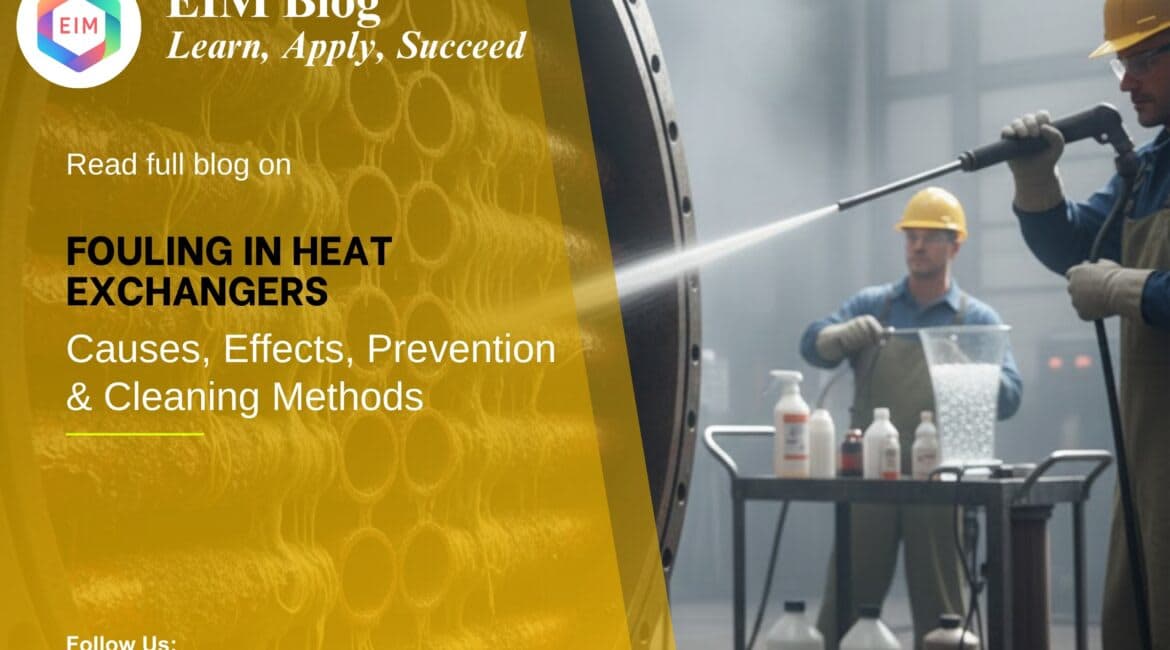
Fouling in Heat Exchangers: Causes, Effects, Prevention & Cleaning Methods
Heat exchangers are critical assets in refineries, petrochemical plants, power stations, and chemical processing facilities. Among the various operational challenges they face, fouling remains one of the most costly and persistent issues. Understanding the causes, effects, prevention methods, and cleaning techniques for fouling is essential for improving equipment reliability, energy efficiency, and overall plant performance.

Workforce Trends in Oil and Gas 2025: AI, Energy Shift & Essential Skills, for Today
The oil and gas industry in 2025 is undergoing significant transformation, driven by AI and automation, digital integration, and the global energy transition. This necessitates a shift in workforce skills, with a growing demand for data engineers, AI specialists, and technicians proficient in new energy technologies like carbon capture and hydrogen. Companies face the dual challenge of an aging workforce and attracting younger talent who prefer "greener" or tech-focused careers. To navigate these changes, organizations must prioritize reskilling and lifelong learning, invest in remote operations capabilities, modernize compensation and benefits, and foster strategic partnerships while ensuring ethical and diverse workforce practices. The core message is that adaptability and continuous learning are crucial for both employers and employees to thrive in this evolving landscape.
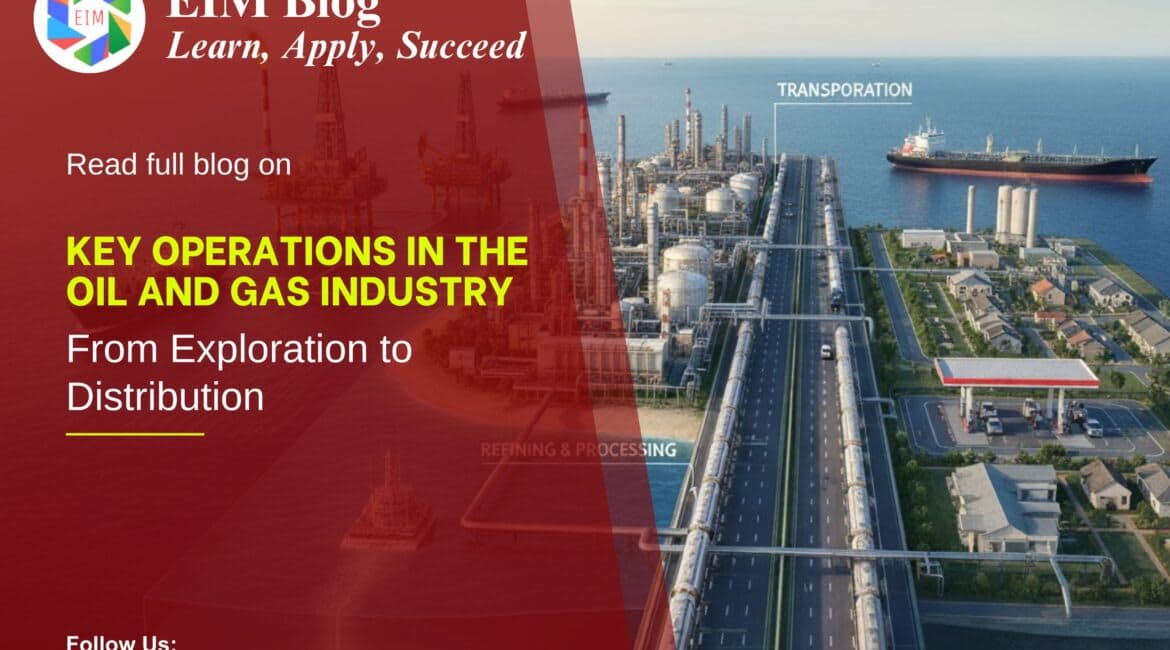
Key Operations in the Oil and Gas Industry: From Exploration to Distribution
The oil and gas industry operates through three primary stages—Upstream (exploration and production), Midstream (transportation and storage), and Downstream (refining and distribution)—which together form the backbone of the global energy supply. As the industry faces the challenges of the energy transition, it is increasingly adopting digital technologies like AI, IoT, and sustainable practices such as carbon capture to optimize operations, enhance safety, and ensure environmental stewardship.
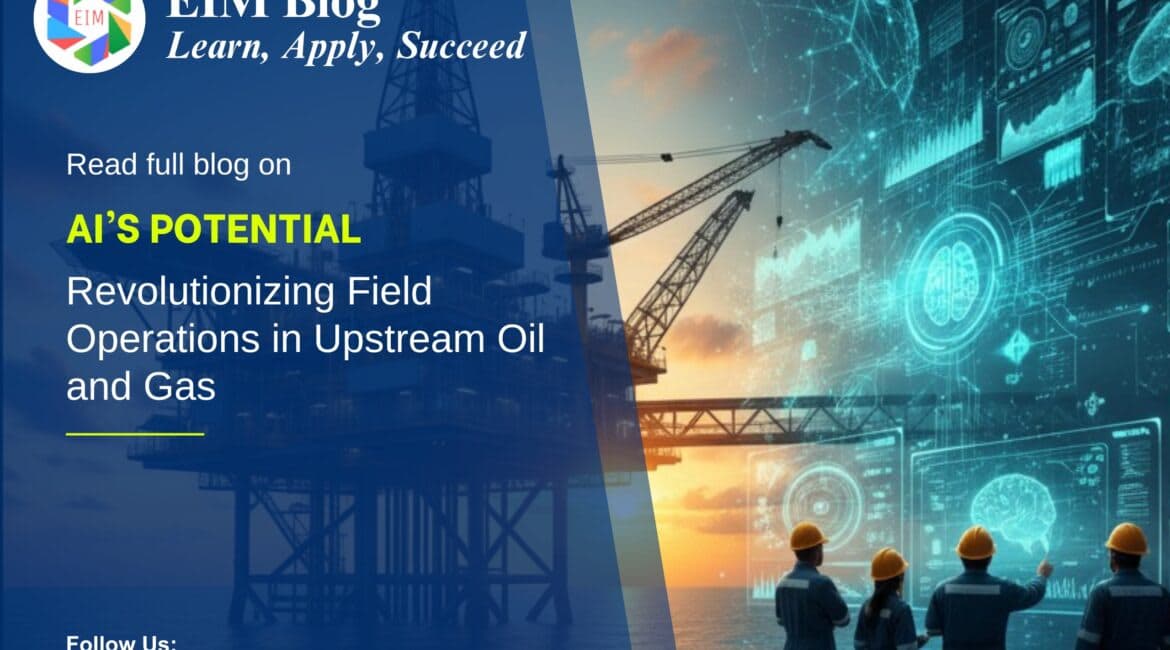
AI’s Potential: Revolutionizing Field Operations in Upstream Oil and Gas
The oil and gas industry operates through three core stages—Upstream, Midstream, and Downstream—which form the backbone of the global energy supply. This article explores these processes, the role of emerging digital technologies, and the industry's shift toward sustainability and net-zero goals.
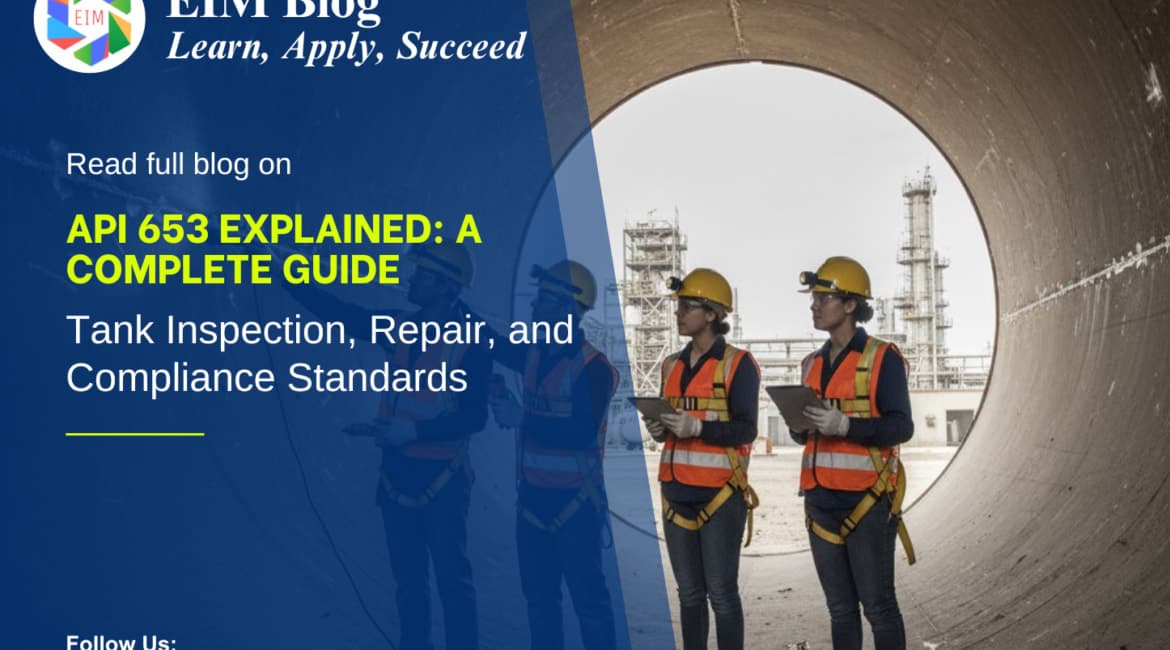
API 653 Explained: A Complete Guide to Tank Inspection, Repair, and Compliance Standards
"API 653 provides the essential framework for the inspection, repair, alteration, and reconstruction of aboveground storage tanks, ensuring structural integrity and operational safety throughout their lifecycle. By mandating regular external and internal inspections, adhering to strict repair standards, and requiring certified inspectors, this standard helps operators mitigate corrosion risks, achieve regulatory compliance, and prevent catastrophic product releases. Ultimately, API 653 serves as a critical tool for protecting assets, the environment, and personnel in the oil and gas industry."
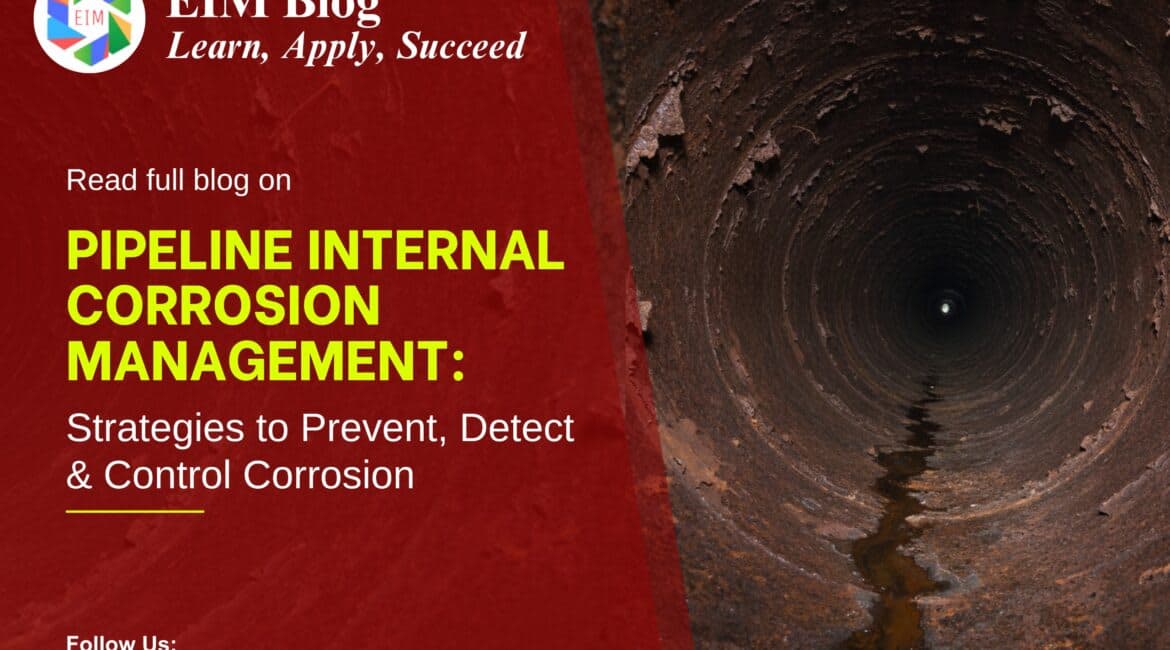
Internal Pipeline Corrosion Management: Causes, Mitigation, and Best Practices
"Internal corrosion poses a critical threat to pipeline integrity, causing significant failures and operational risks. This guide explores the primary causes—including water presence, acid gases, and microbial activity—and outlines a structured management program based on threat assessment, proactive mitigation, and rigorous monitoring. By integrating chemical and mechanical controls like pigging and inhibitor dosing, operators can optimize costs, ensure regulatory compliance, and extend the lifecycle of their assets."
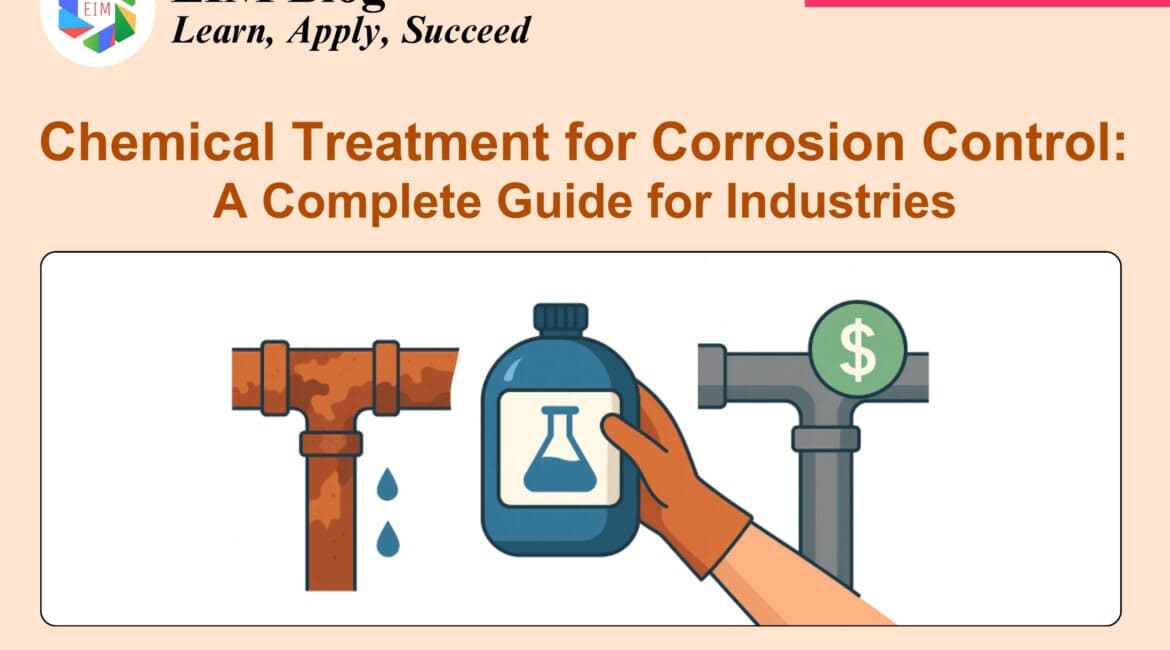
Understanding Corrosion Damage Mechanisms: Inspection & Mitigation Strategies in Oil & Gas
Corrosion remains a critical challenge in the oil and gas industry, costing over $2.5 trillion annually. To maintain asset integrity and safety, the industry relies on chemical treatment strategies—including corrosion inhibitors, oxygen scavengers, and biocides—to combat threats like CO₂, H₂S, and microbiologically influenced corrosion. Looking ahead, the integration of smart inhibitors and predictive analytics is set to further enhance sustainable and efficient corrosion management.
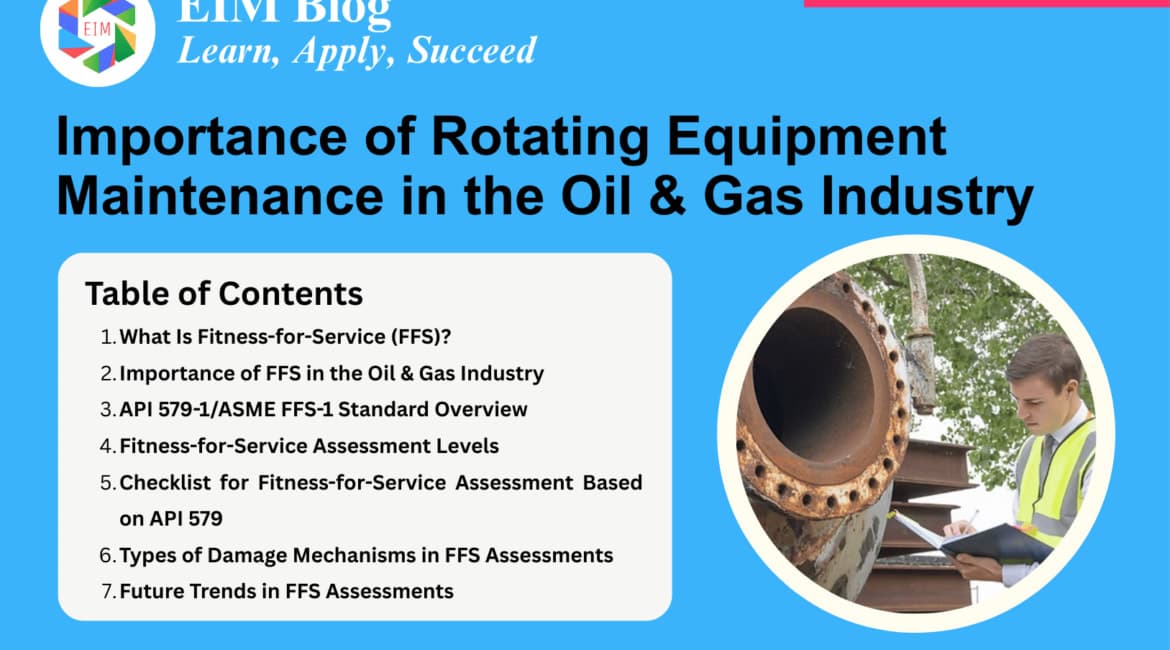
Rotating Equipment Maintenance in Oil & Gas: Ensuring Reliability, Safety, and Profitability Industry
Rotating equipment—such as pumps, compressors, and turbines—serves as the mechanical backbone of the oil and gas industry. Because these assets operate under extreme, high-stress conditions, effective maintenance is vital to preventing costly downtime, safety incidents, and production losses. By adopting a hybrid strategy that combines traditional preventive measures with advanced predictive technologies (like vibration analysis and IoT monitoring), operators can maximize asset reliability. Furthermore, integrating efficient spare parts management and digital transformation tools is essential for maintaining a competitive edge in a low-carbon, performance-driven future.
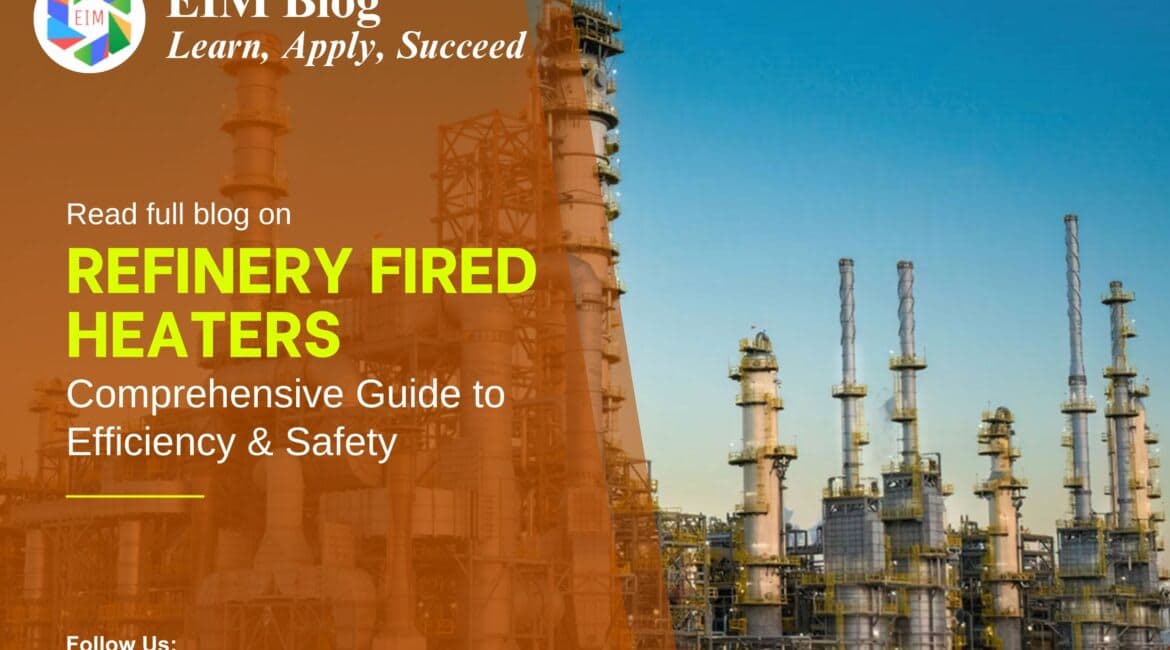
Refinery Fired Heaters: Comprehensive Guide to Efficiency & Safety 2025
Here is a short excerpt based on the article: Refinery fired heaters (also known as process heaters or furnaces) are essential industrial systems that use radiant and convective heat transfer to bring process fluids to precise temperatures for operations like crude distillation, hydrocracking, and coking. As refineries face increasing pressure to improve performance and meet net-zero goals, optimization strategies—such as oxygen trim, low-NOx burners, and digital twin simulations—are becoming critical. By integrating these efficiency measures with rigorous safety best practices (like API 560 compliance) and emerging technologies like hydrogen-ready burners, operators can significantly reduce fuel costs, minimize emissions, and extend the lifespan of these vital assets.
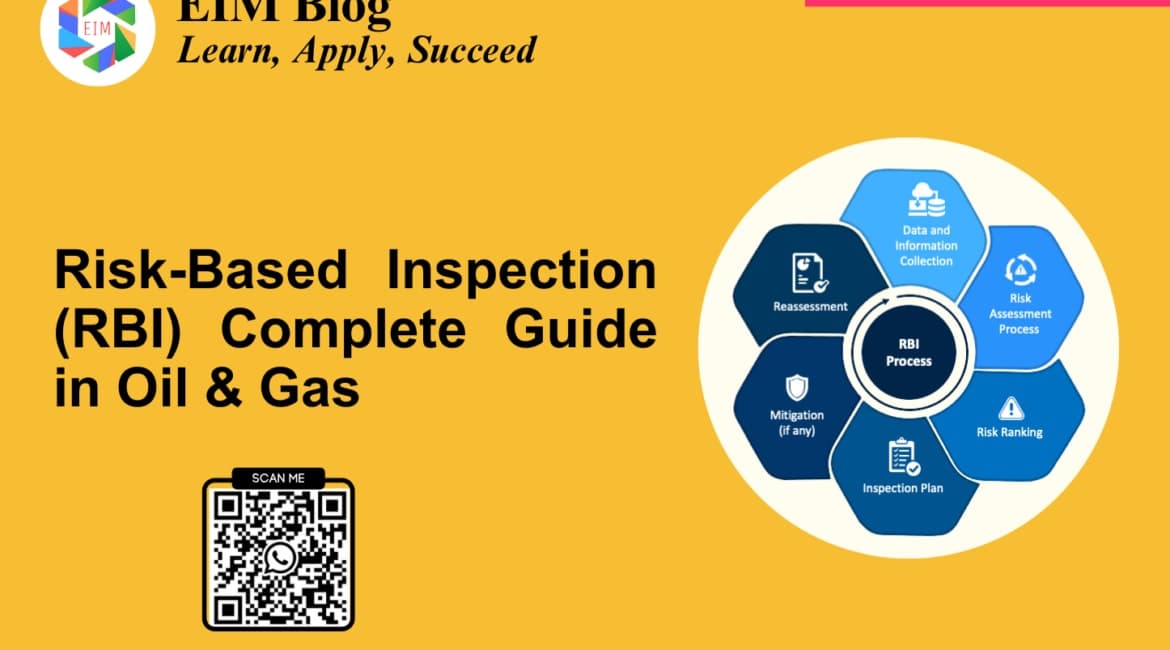
Risk-Based Inspection (RBI) in Oil & Gas: A Complete Guide
Risk-Based Inspection (RBI) is a data-driven strategy that replaces fixed, time-based inspection schedules with a risk-focused approach, evaluating the Probability of Failure (PoF) and Consequence of Failure (CoF) for critical industrial assets. By prioritizing high-risk components and leveraging advanced technologies like AI, IoT sensors, and Digital Twins, organizations can significantly reduce unplanned downtime, enhance operational safety, and optimize maintenance costs. As industries move toward digital integration, RBI has become a vital strategic pillar for ensuring long-term asset integrity and regulatory compliance.
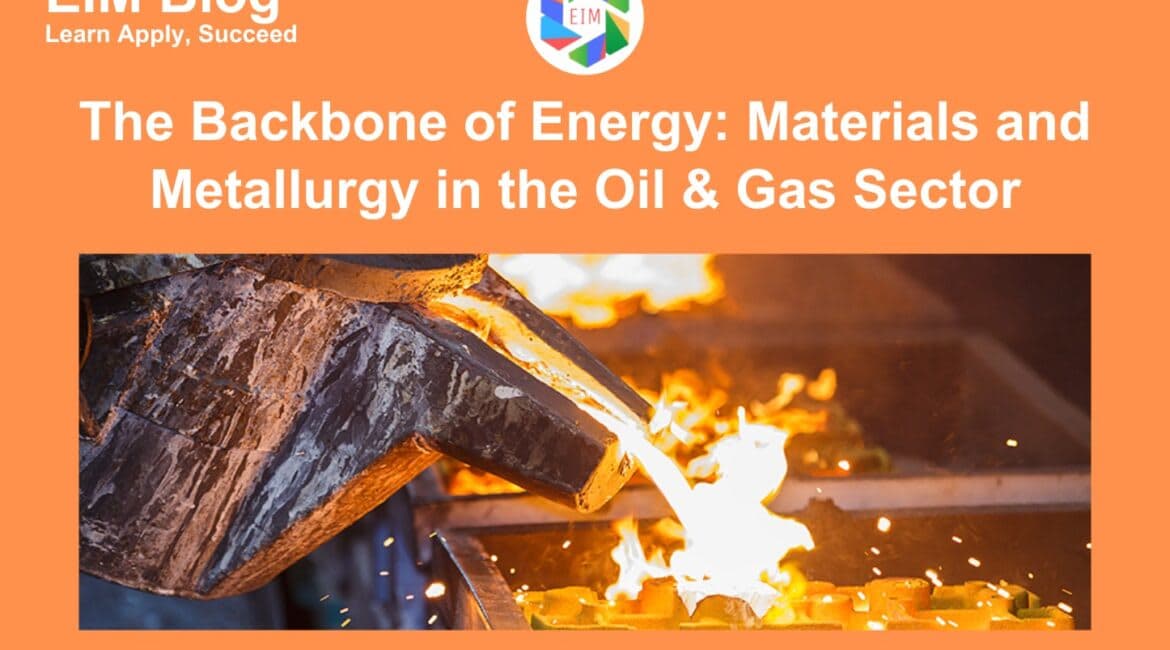
The Backbone of Energy: Materials and Metallurgy in the Oil & Gas Sector
Metallurgy and materials science serve as the foundational backbone for the oil and gas industry, enabling infrastructure to withstand extreme pressures, temperatures, and corrosive environments. By utilizing a diverse range of materials—from carbon steels and nickel-based alloys to corrosion-resistant CRAs and non-metallic composites—engineers can ensure the reliability and safety of vital assets. As the industry evolves, the integration of advanced metallurgical processes, rigorous standards like NACE and API, and emerging innovations such as digital metallurgy and green manufacturing are becoming critical to sustaining future energy operations.
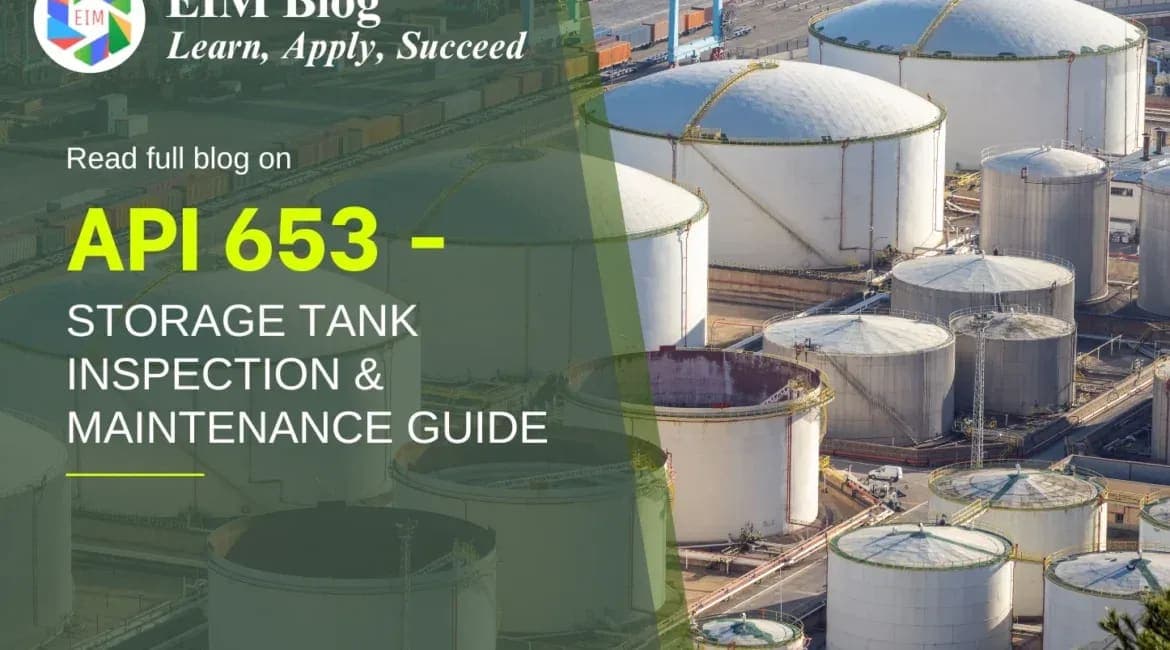
API 653 – Storage Tank Inspection & Maintenance Guide
The API 653 – Storage Tank Inspection & Maintenance Guide emphasizes that proactive maintenance of Above-ground Storage Tanks (ASTs) is essential to prevent catastrophic failures, environmental damage, and regulatory penalties. Key takeaways: Standards: Compliance with API 653 (for repairs/reconstruction) and API 650 (for design) is mandatory. Inspection Technologies: Modern methods like Ultrasonic Testing (UT) and Magnetic Flux Leakage (MFL) allow for thorough integrity assessments without needing to empty tanks. Failure Risks: The most common threats are internal corrosion (especially on tank floors), structural fatigue, and foundation settlement. ROI: Proactive maintenance and predictive repairs significantly extend asset life, prevent costly spills, and minimize operational downtime.
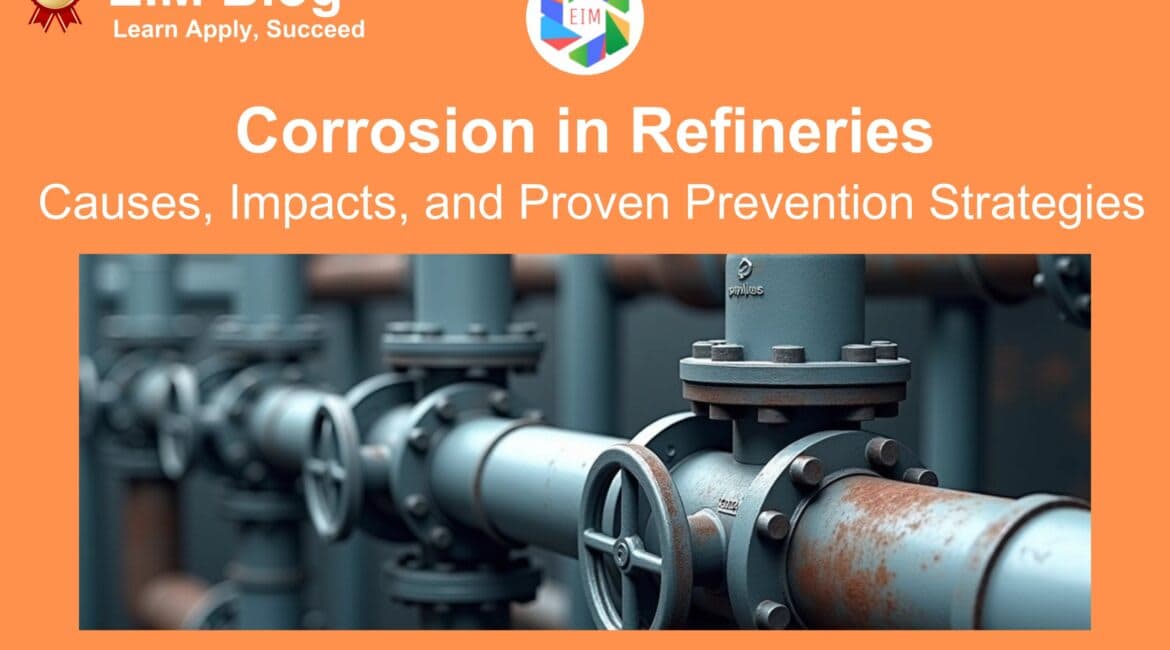
Corrosion in Refineries: Causes, Impacts, and Proven Prevention Strategies
Refineries mein corrosion ek gambhir samasya hai jo equipment aur pipelines ko nuksan pahunchakar production loss aur safety hazards ka karan banti hai. Is article ka short summary niche diya gaya hai: Corrosion ke Karyakarak: High temperature, acidic ya sulfur-rich crude (high TAN), salt contamination, aur oxygen ka ingress corrosion ko tez karte hain. Pramukh Types: Ismein Uniform, Pitting, Crevice, Galvanic, Sulfidation, HIC/SCC, aur MIC (Microbiologically Influenced Corrosion) shamil hain. Prevention Strategies: Protective Coatings: Epoxy aur thermal spray ka upyog. Cathodic Protection: Sacrificial anodes ya impressed current ka istemal. Corrosion Inhibitors: Chemicals inject karke protective film banana. Material Upgrades: Stainless steel aur corrosion-resistant alloys ka chayan. Process Optimization: Desalting aur pH control. Digital Monitoring: Online probes, ultrasonic thickness gauges, aur Digital Twin technology ka use. Case Study: Ek Middle Eastern refinery ne enhanced desalting aur real-time monitoring se apne maintenance cycle ko 18 mahine se badhakar 30 mahine se upar pahunchaya, jisse millions ki bachat hui. Proactive corrosion management se na sirf maintenance cost kam hoti hai, balki asset ki life aur operational reliability bhi badhti hai. Aap Excellence Integrity Management ki website par jakar iske bare mein aur vistaar se padh sakte hain ya unke training programs ko explore kar sakte hain.
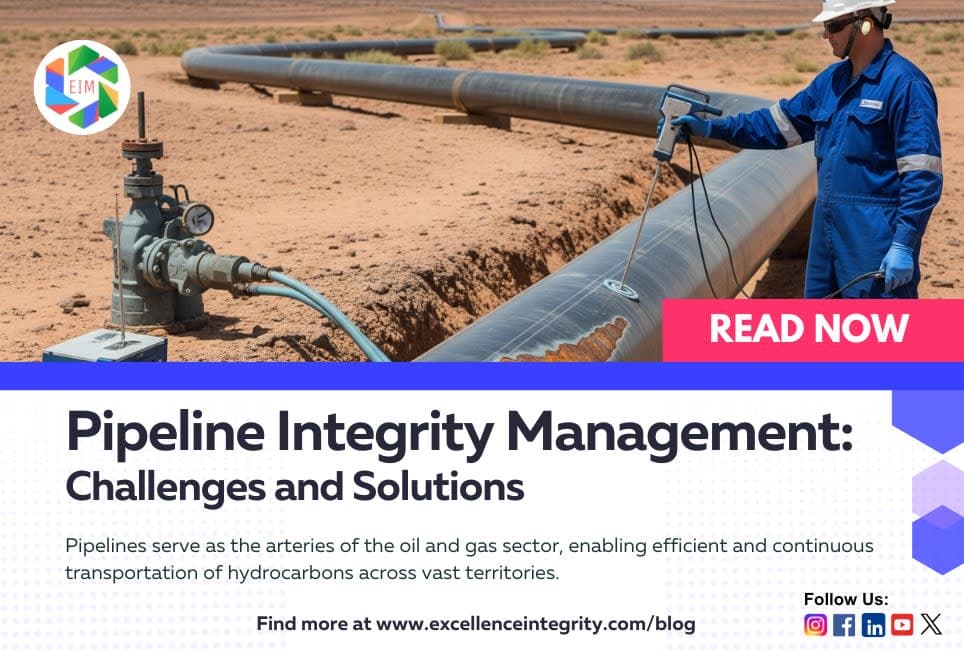
Pipeline Integrity Management: Challenges and Solutions
Pipeline Integrity Management (PIM) is a critical, structured approach to ensuring pipelines operate safely throughout their lifecycle. Key takeaways: Challenges: Operators face significant hurdles including aging infrastructure (30–50 years old), persistent corrosion (internal and external), inspection access limitations in non-piggable lines, and a shortage of skilled personnel. Proactive Solutions: Organizations are shifting to Digital Twins and predictive AI analytics, high-resolution NDT (like Phased Array Ultrasonics), and unified software platforms to move from reactive to needs-based maintenance. Frameworks: Programs must align with API 1160, ASME B31.8S, and NACE SP0502 to ensure regulatory compliance and operational excellence. Strategic Value: PIM is not just about compliance; it is a strategic imperative that minimizes risk, protects the environment, and extends the life of valuable energy infrastructure.
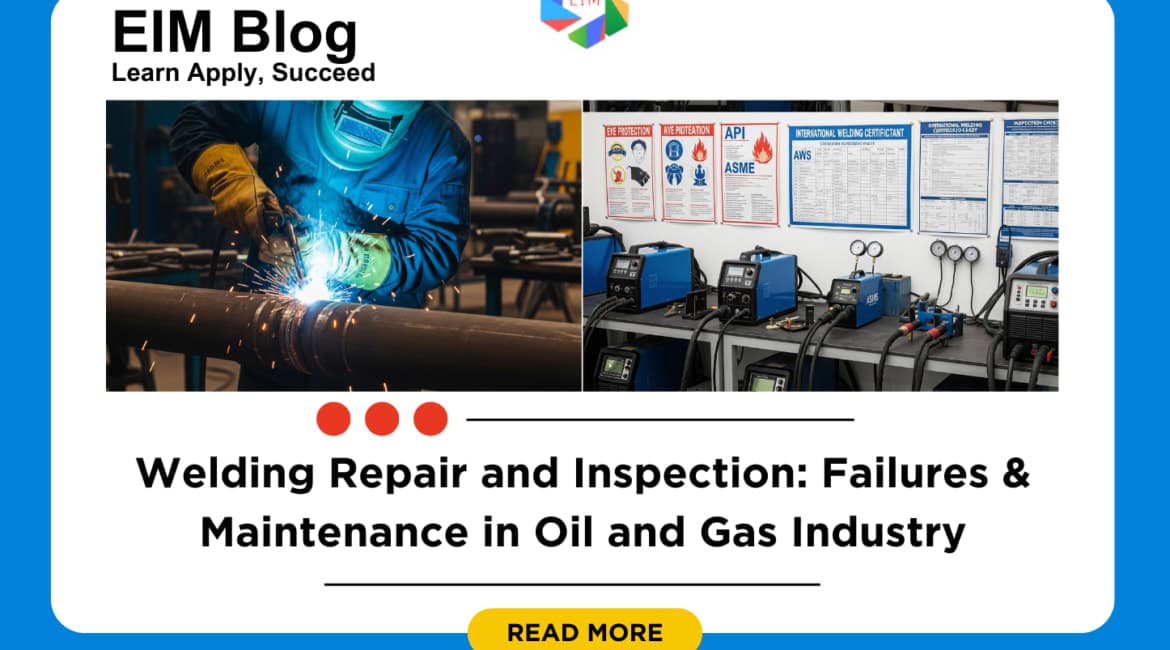
Welding Repair and Inspection: Failures & Maintenance in Oil and Gas Industry
The Welding Repair and Inspection article highlights that mastering these processes is essential for maintaining the safety and integrity of industrial assets like heat exchangers, pipelines, and pressure vessels. By understanding failure mechanisms—such as corrosion, fatigue, and cracking—and implementing proactive routines like NDT (non-destructive testing) and risk-based inspection, industries can significantly minimize unplanned downtime. The sector is rapidly evolving, with emerging technologies like PAUT (Phased Array Ultrasonic Testing), IoT-enabled sensors, and AI-driven predictive analytics shifting maintenance strategies from reactive repairs to precision-based, predictive models. Following global standards like ASME Section IX and API 1104, combined with a skilled workforce, remains the most effective path to optimizing operational costs and enhancing safety.
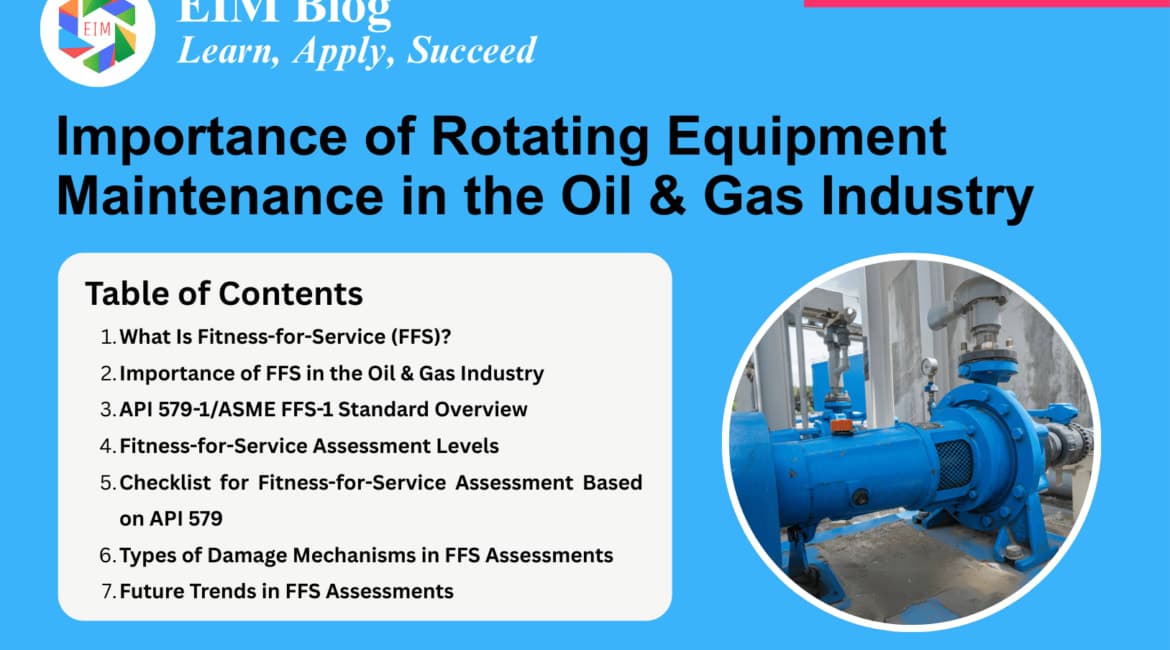
Importance of Rotating Equipment Maintenance in the Oil & Gas Industry
Yeh article oil and gas industry mein Rotating Equipment Maintenance (jaisay pumps, compressors, turbines, aur motors) ke mahatva par focus karta hai. Iska short summary niche diya gaya hai: Rotating Equipment ka Role: Ye equipment industry ka "mechanical heartbeat" hain, jo fluid aur gas movement ke liye zaroori hain. Inka performance production efficiency aur safety ke liye directly responsible hai. Maintenance kyu zaroori hai? Reliability: Unplanned downtime ko kam karne aur production line ko chalu rakhne ke liye. Safety: Hazardous leaks, fires, ya explosion ke khatre ko kam karne ke liye. Cost Efficiency: Mehangi repairs aur equipment replacement se bachne ke liye. Compliance: Safety aur environmental regulations ka palan karne ke liye. Common Failures: Bearing wear, seal leakage, cavitation, shaft fatigue, aur misalignment jaisi samasyaein badi process shutdowns ka karan banti hain. Strategies: Preventive Maintenance (PM): Time-based inspections aur lubrication. Predictive Maintenance (PdM): Vibration analysis, thermography, aur IIoT sensors ka use karke real-time health monitoring. Standards: API (610, 617, 618), ISO 20816, aur RCFA (Root Cause Failure Analysis) ka palan karna industry best practice hai. Conclusion: Rotating equipment maintenance sirf ek routine kaam nahi, balki ek strategic function hai jo safety, reliability, aur profitability ko drive karta hai. Aap iske baare mein aur vistaar se Excellence Integrity Management ki website par padh sakte hain.
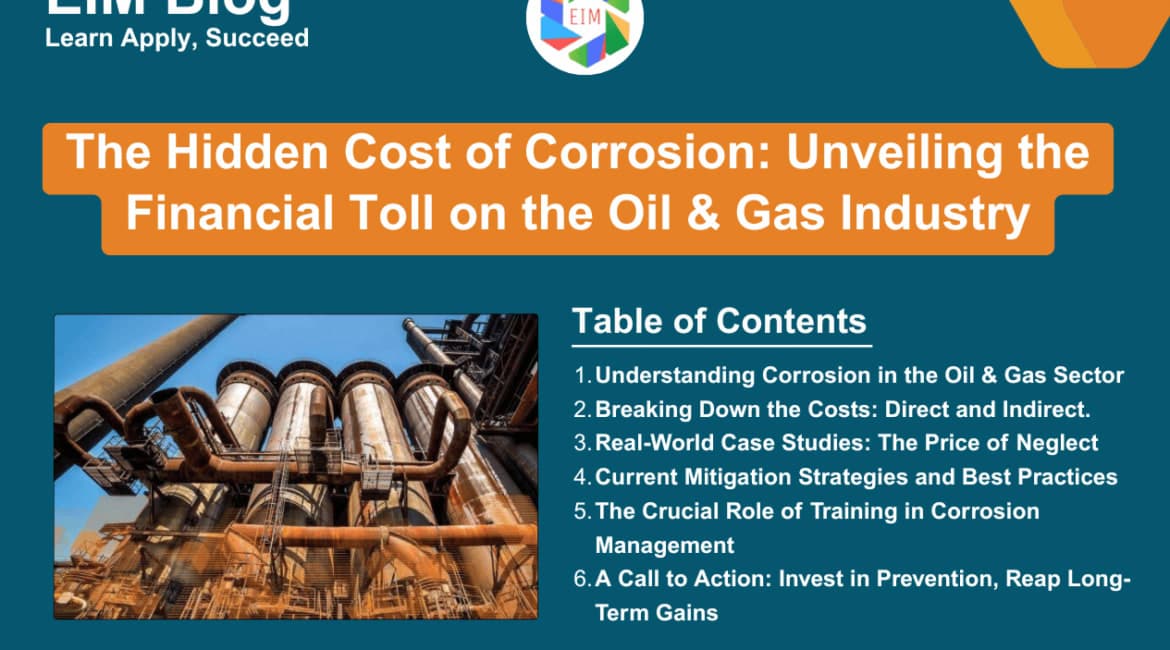
The Hidden Cost: Understanding the Economic Impact of Corrosion in the Oil & Gas Industry
The article, "The Hidden Cost: Understanding The Economic Impact Of Corrosion In The Oil & Gas Industry", highlights that corrosion is a massive strategic financial concern rather than just a routine maintenance nuisance. Key takeaways include: Economic Impact: The global cost of corrosion in the oil and gas sector exceeds $60 billion annually, encompassing both direct repair expenses and devastating indirect costs like unplanned production shutdowns, environmental cleanup fines, and legal liabilities. Real-World Risks: Major incidents, such as the Prudhoe Bay Oil Spill, demonstrate that neglecting corrosion management can lead to multi-billion-dollar losses and irreparable reputational damage. Mitigation & Best Practices: Effective management requires a combination of material selection, protective coatings, cathodic protection, corrosion inhibitors, and advanced predictive analytics. The Power of Training: Technology alone is insufficient; engineers and maintenance staff must be properly certified in standards like API 571 and NACE CIP to accurately assess risks and implement effective prevention. Conclusion: Shifting from reactive maintenance to a proactive, training-focused strategy is the most cost-effective way for companies to protect their assets, ensure safety, and improve their bottom line.
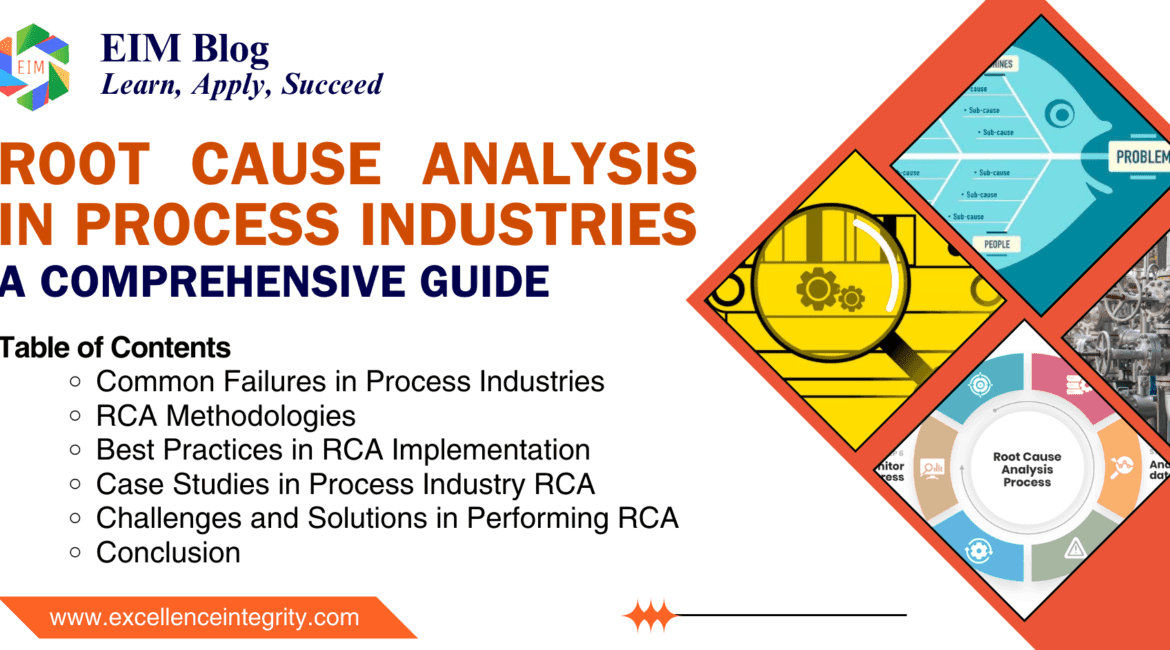
Root Cause Analysis in Process Industries: A Comprehensive Guide
Root Cause Analysis (RCA) in Process Industries is a systematic problem-solving process essential for high-hazard environments like refineries and chemical plants. Rather than merely treating the symptoms of an issue, RCA digs deep to identify the fundamental, systemic causes of faults, failures, or incidents—such as pump breakdowns, material corrosion, catalyst deactivation, or control failures. By utilizing structured methodologies like the 5 Whys, Fishbone Diagrams, Fault Tree Analysis (FTA), and Failure Modes and Effects Analysis (FMEA), organizations can accurately pinpoint underlying issues. A successful RCA implementation relies on an evidence-based approach: clearly defining the problem, gathering rigorous data, identifying causal factors, and enforcing targeted corrective actions. Ultimately, an effective RCA culture focuses on fixing systems rather than assigning blame, leading to enhanced safety, improved reliability, and the prevention of costly, recurring accidents.
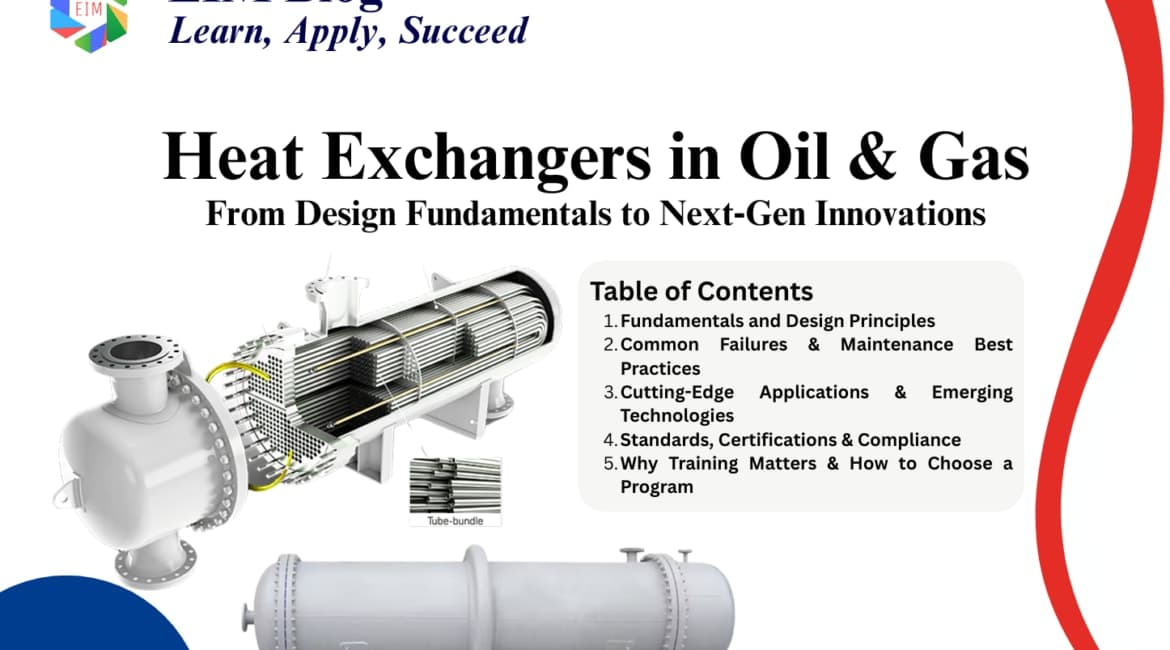
Heat Exchangers in Oil & Gas: From Design Fundamentals to Next‑Gen Innovations
Heat exchangers serve as the backbone of thermal energy management in the oil and gas industry, essential for process efficiency and safety. From shell-and-tube designs to emerging 3D-printed components and AI-driven predictive maintenance, the technology is rapidly evolving to combat common challenges like fouling and corrosion. As systems become more complex, mastering these fundamentals through specialized, hands-on training—aligned with standards such as ASME and TEMA—is critical for engineers looking to minimize downtime and ensure long-term operational excellence.
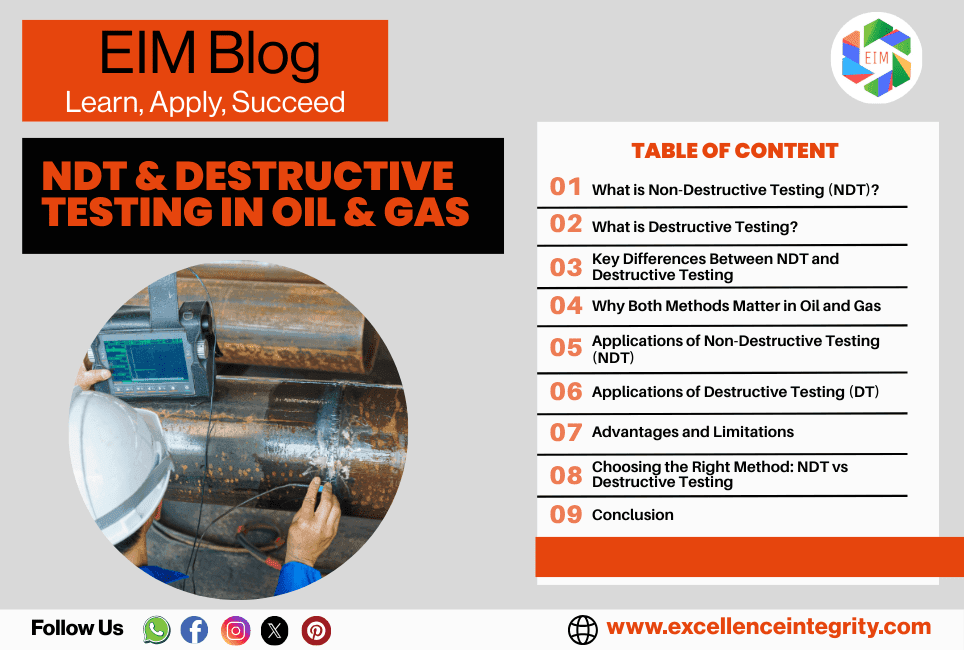
Difference Between NDT & Destructive Testing in Oil & Gas
Discover the key differences between Non-Destructive Testing (NDT) and Destructive Testing (DT) in the oil and gas industry, and learn how both methods work together to ensure equipment reliability and safety.
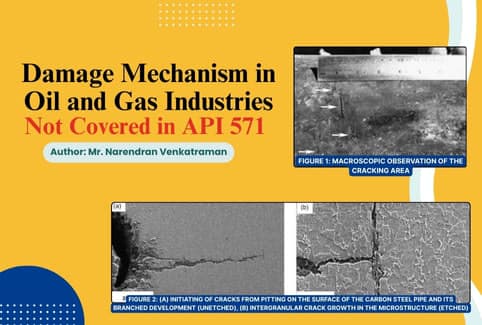
Damage Mechanism in Oil and Gas Industries not covered in API 571
Delve into Pipeline External Stress Corrosion Cracking (SCC), exploring the causes, material susceptibility, and mitigation techniques for critical damage mechanisms falling outside API 571 coverage.
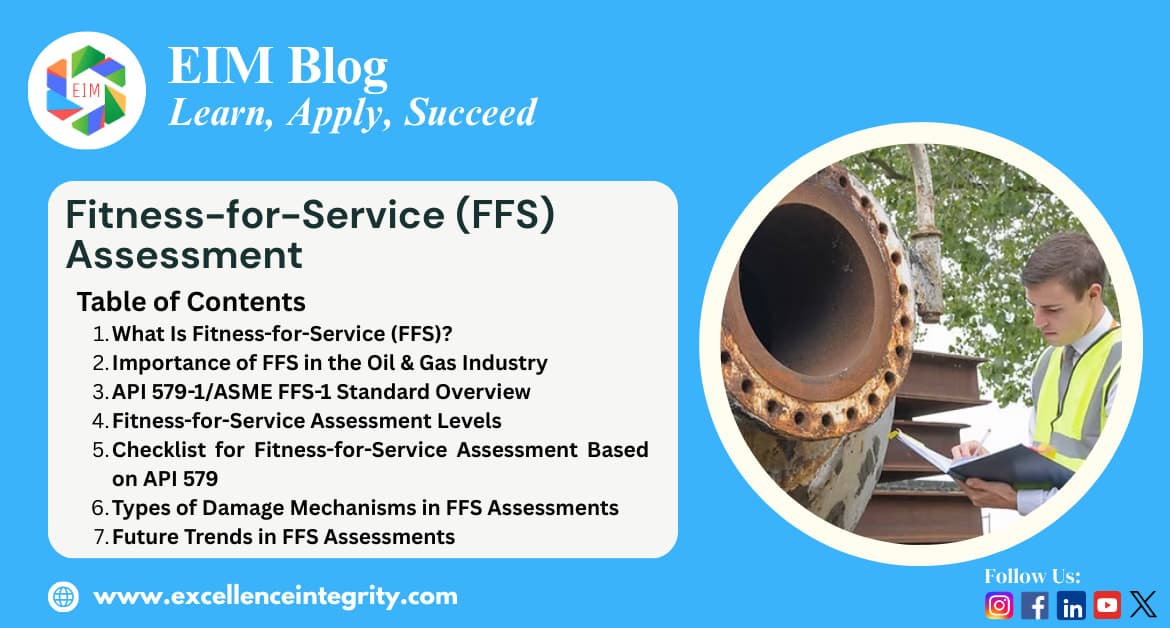
Fitness-for-Service (FFS) Assessment: API 579-1 Guide, Levels & Future Trends
A comprehensive guide to Fitness-for-Service (FFS) assessments using the API 579-1 standard. Explore the three assessment levels, common damage mechanisms, and future trends ensuring asset integrity in the oil and gas industry.
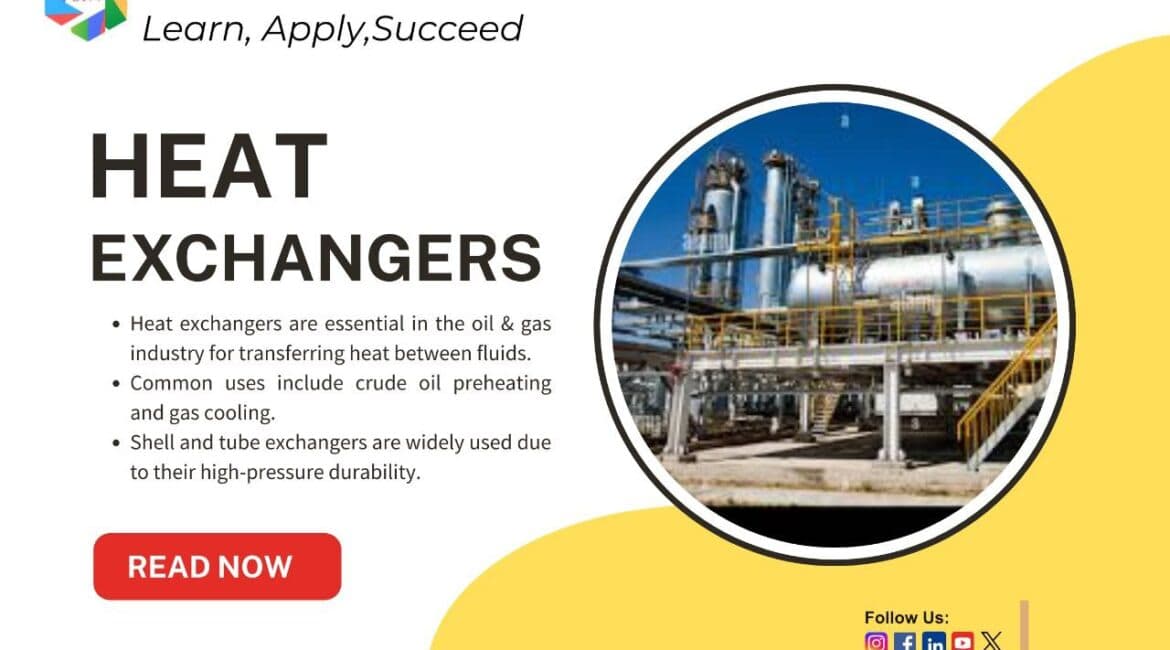
Heat Exchangers in Oil & Gas: From Design Fundamentals to Next‑Generation Innovations
Heat exchangers in oil and gas are essential thermal management devices that allow efficient heat transfer between fluids without direct mixing, playing a critical role in refinery processes like crude preheating, gas cooling, and waste heat recovery. Key takeaways: Types: Common designs include Shell-and-Tube (the industry workhorse for high pressure), Air-Cooled (for water-scarce areas), Plate, and Spiral heat exchangers. Design Factors: Engineers must balance thermal duty, pressure drop, and fouling mitigation (scaling/wax accumulation) to maintain efficiency. Next-Gen Innovations: The industry is adopting additive manufacturing (3D printing), smart IoT-enabled heat exchangers for predictive maintenance, and AI-optimized designs. Impact: Upgrading to high-performance systems can improve energy efficiency by 10–30%, reduce emissions, and significantly lower maintenance downtime.
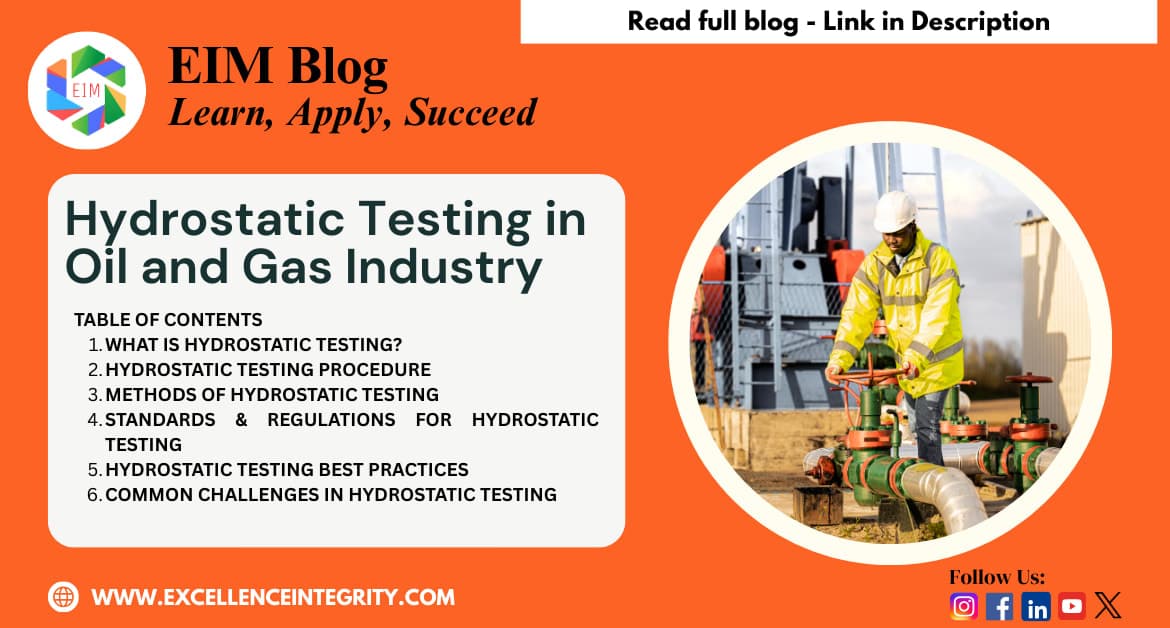
Hydrostatic Testing in Oil and Gas Industry
Discover the critical role of hydrostatic testing in verifying pipeline and pressure vessel integrity. This comprehensive guide covers testing methods, safety standards, and best practices for the oil and gas sector.