Pipeline Integrity Management: Challenges and Solutions
Table of Contents
- Introduction
- Key Elements of Effective Pipeline Integrity Programs
- Pressing Challenges Facing Pipeline Operators
- Proactive Solutions to Address Integrity Risks
- Standards and Frameworks Supporting Best Practices
- Final Thoughts
Introduction
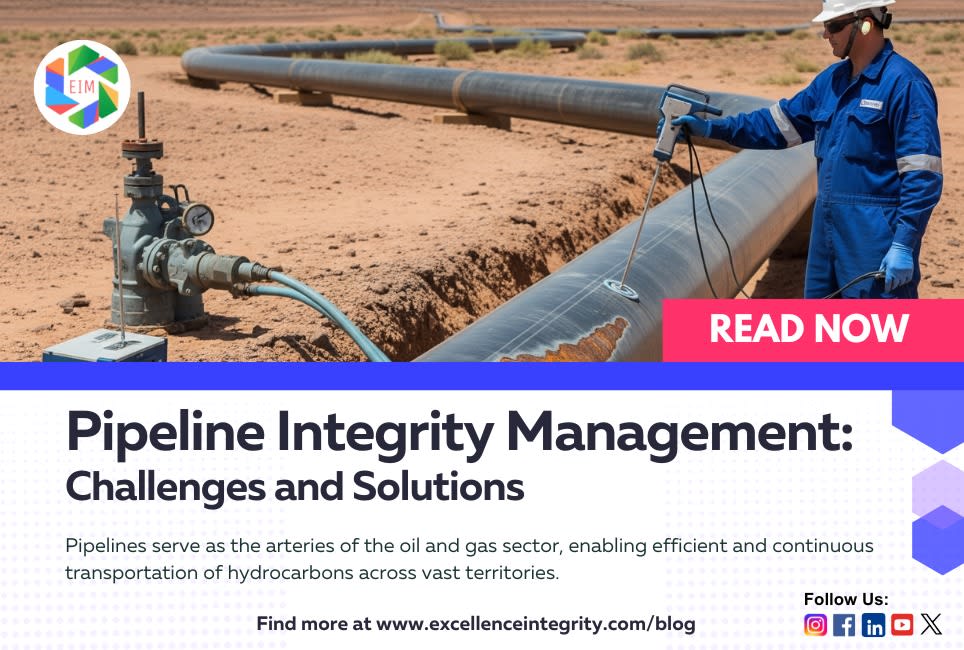
Pipelines serve as the arteries of the oil and gas sector, enabling efficient and continuous transportation of hydrocarbons across vast territories. As environmental regulations tighten and operational reliability becomes increasingly vital, Pipeline Integrity Management (PIM) has emerged as a critical function. Essentially, PIM involves a structured set of methodologies, technologies, and policies designed to ensure that pipelines operate safely throughout their lifecycle.
Key Elements of Effective Pipeline Integrity Programs
An effective PIM program is not a single tool but an integrated process. It includes regular inspections, corrosion prevention, defect assessment, and maintenance planning—all grounded in data-driven risk evaluation. Ultimately, the aim is to minimize the chance of failure and its consequences, thereby protecting people, assets, and the environment.
Pressing Challenges Facing Pipeline Operators
- Aging Infrastructure and Wear Over Time: Many pipelines laid 30–50 years ago face issues like metal fatigue and outdated construction standards.
- Persistent Corrosion Threats: Internal corrosion (caused by moisture/bacteria) and external corrosion (driven by soil chemistry and failing coatings) remain significant risks.
- Access Limitations for Inspections: Complex or non-piggable pipelines present major challenges for conventional in-line inspection tools.
- Disjointed Data and Analytics: Siloed data from SCADA, inspection logs, and maintenance activities leads to inconsistent, reactive decision-making.
- Compliance Complexity: Regulatory frameworks like PHMSA rules and API 1160 evolve frequently, requiring continuous process adaptation.
- Shortage of Skilled Talent and Communication Gaps: A lack of trained personnel and limited collaboration between teams reduces operational efficiency.
Proactive Solutions to Address Integrity Risks
- Leveraging Digital Twins and Predictive Analytics: Digital models combined with AI allow for real-time monitoring and smarter maintenance scheduling.
- Advanced Non-Destructive Testing (NDT): Methods like Phased Array Ultrasonics and Laser Profilometry identify defects without shutting down operations.
- Real-Time, Condition-Based Maintenance: Shifting from scheduled to needs-based maintenance using sensor data reduces unexpected outages.
- Unified Integrity Management Software: Centralized platforms integrate GIS, risk models, and ILI tools to enhance reporting and communication.
- Workforce Development: Continuous training aligned with standards like ASME B31.8S, NACE SP0502, and API 1160 improves competency.
- Fostering Cross-Functional Integrity Teams: Integrating field technicians, corrosion experts, and data analysts enables holistic risk management.
Standards and Frameworks Supporting Best Practices
- API 1160: A risk-based standard for managing pipeline integrity in liquid systems.
- ASME B31.8S: A comprehensive guide for integrity management of gas transmission pipelines.
- NACE SP0502: Guidelines focused on external corrosion direct assessment.
- PHMSA Regulations: Federal requirements governing safe pipeline operation and reporting.
Final Thoughts
Maintaining pipeline integrity is far more than a compliance issue—it’s a strategic imperative. When properly implemented, a proactive integrity management program reduces operational risks, safeguards the environment, and protects valuable infrastructure. By investing in advanced technologies, predictive analytics, and trained personnel, oil and gas companies can achieve a safer, more efficient, and resilient future.
About Excellence Integrity Management
Excellence Integrity Management stands at the forefront of asset integrity training and consulting. Specializing in pipeline integrity, risk-based inspections, and the latest NDT technologies, we equip professionals with the practical knowledge and certifications needed to lead in today’s high-stakes oil and gas environment.