
EIM Career Navigator
Your experience is not the problem.
Your CV and LinkedIn are.
Whether you inspect pressure vessels, run corrosion programmes, maintain rotating equipment, sign off welds or plan turnarounds, the pattern is the same. You apply, and nothing comes back.
Where opportunities are lost
You are not being rejected. You are not being seen.
Most technical professionals in this industry lose opportunities in one of three places. None of them is a shortage of experience.

Your CV gets seven seconds
Recruiters spend around six to seven seconds on a first pass. A dense CV that lists duties rather than outcomes does not survive that pass, however strong the career underneath it.

Recruiters search before they advertise
Around nine in ten recruiters use LinkedIn to find candidates, and a great deal of hiring happens before a role is ever posted. They search in terms, not in careers: "API 570 piping inspector Abu Dhabi", "cathodic protection engineer Saudi", "rotating equipment reliability Qatar". If your profile does not surface for the terms attached to your discipline, you are not in the running.

You accept the first number
International research consistently finds that most people accept the initial offer without negotiating, that employers expect a counter, and that those who do negotiate gain an average of about 18.83%. On a $60,000 package that average is roughly $11,000 in the first year alone, and it compounds through every raise and every move after it.
This programme costs a fraction of that one number. If it changes nothing else, and you negotiate once with a clear case in front of you, it has paid for itself several times over before your first month’s salary lands.
What changes
The same career, presented differently
Before
- Applying into a queue
- Screened out in seconds
- Invisible to recruiter search
months of applying
After
- Approached directly
- Read properly, by a person
- Found for the terms you work in
once the positioning lands
What we do
Two documents. One story. Built for the roles you actually want.
Recruiters check LinkedIn before they open a CV, and the two need to say the same thing. Most people have a CV written five years ago and a LinkedIn profile they created once and never returned to.
Your CV
Resume development
A document you tailor for each application, rebuilt around what you found, what it prevented and what it was worth. Written by people who do not need to ask what RBI stands for.
Your LinkedIn
LinkedIn profile enhancement
A single living profile that gets searched and read by many recruiters, most of whom you will never speak to. Built around the terms they actually type.
Take either on its own, or both as one plan.
What you get
Six things, and a seventh once you have used them

A one-to-one review with someone from the industry
A structured conversation about your experience, certifications and the roles you are targeting. Nobody asks you to explain what a damage mechanism, a hold point or a CML is.
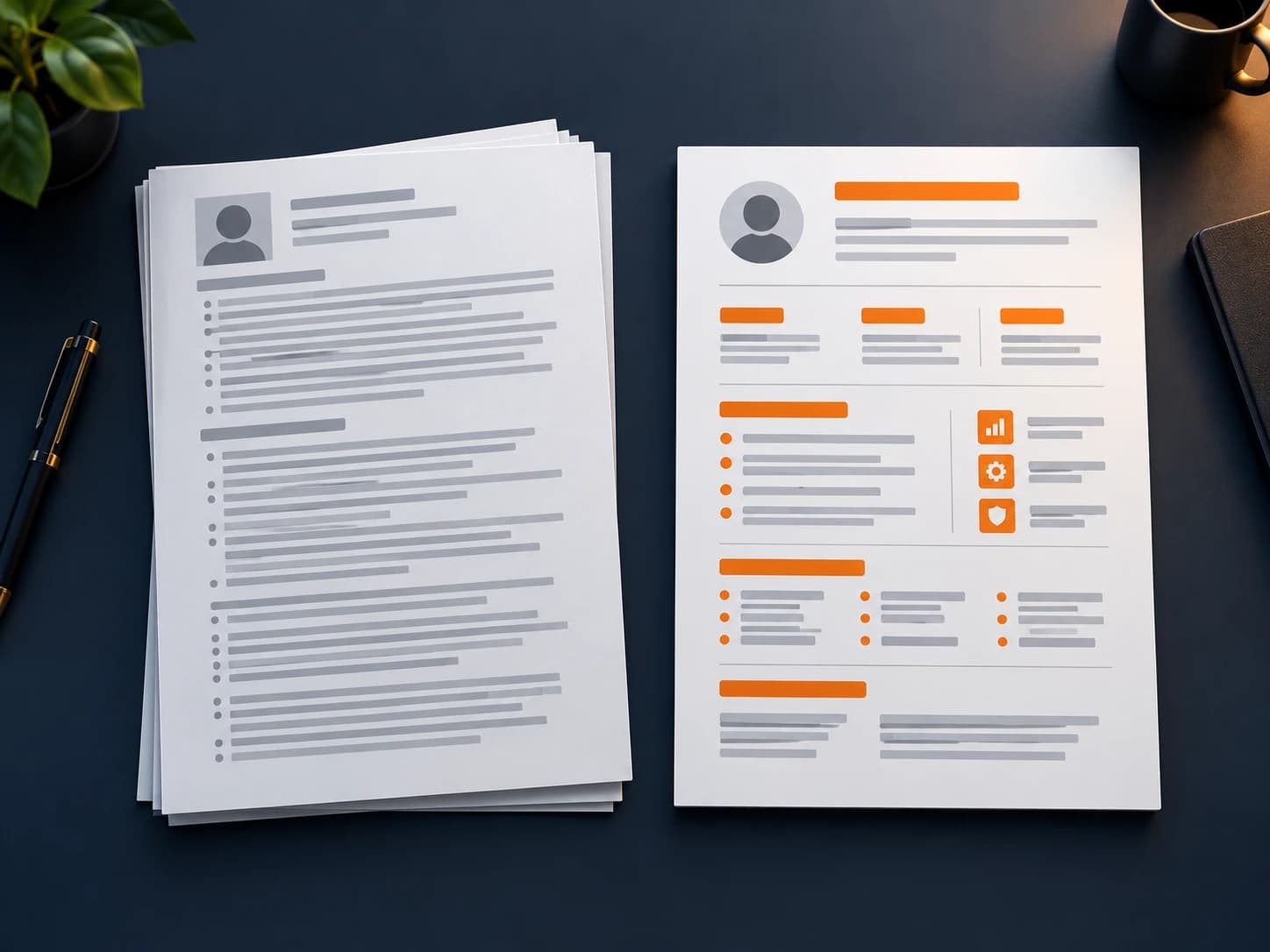
Your CV rebuilt around outcomes, not duties
"Responsible for pressure vessel inspection" or "handled shutdown maintenance" becomes something that survives a seven-second scan.

Formatting that clears the first filter
Layout and terminology aligned to how inspection and integrity roles are actually screened. Before a person reads your CV, something else decides whether they will.

A LinkedIn profile built to be found
Headline, About section, skills and certifications built around what recruiters search for. Your headline is the highest-weighted field in LinkedIn’s search, and most people put their job title in it and stop.
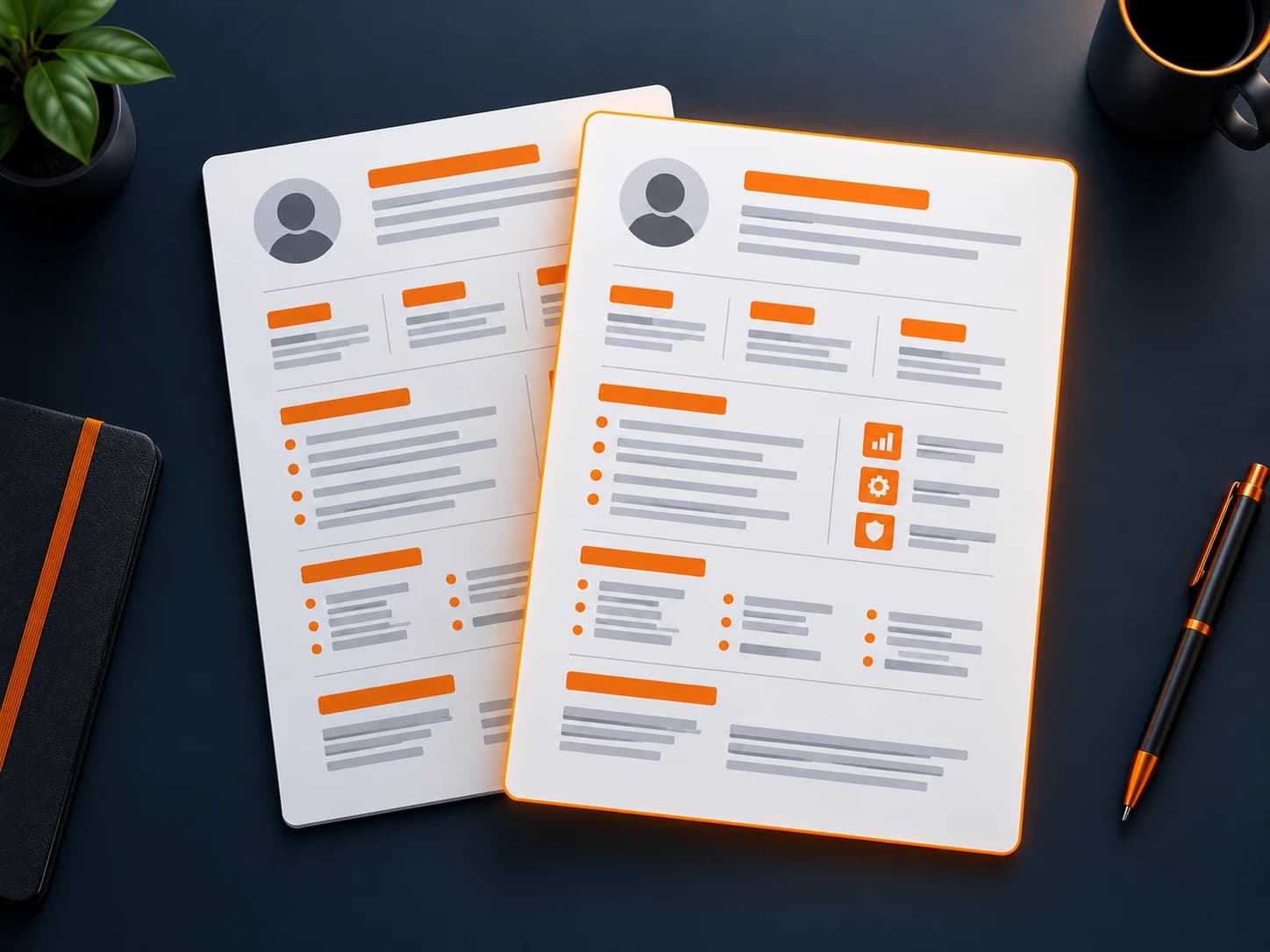
One story across both
Your work history rewritten to match your CV, not left as a stale duplicate. A recruiter checking one against the other finds the same career, told the same way. Inconsistency reads as carelessness.

Practical profile guidance
Photo, banner, visibility settings and the Open to Work options recruiters can see but your employer cannot. A profile photo alone is associated with substantially more profile views and recruiter messages.
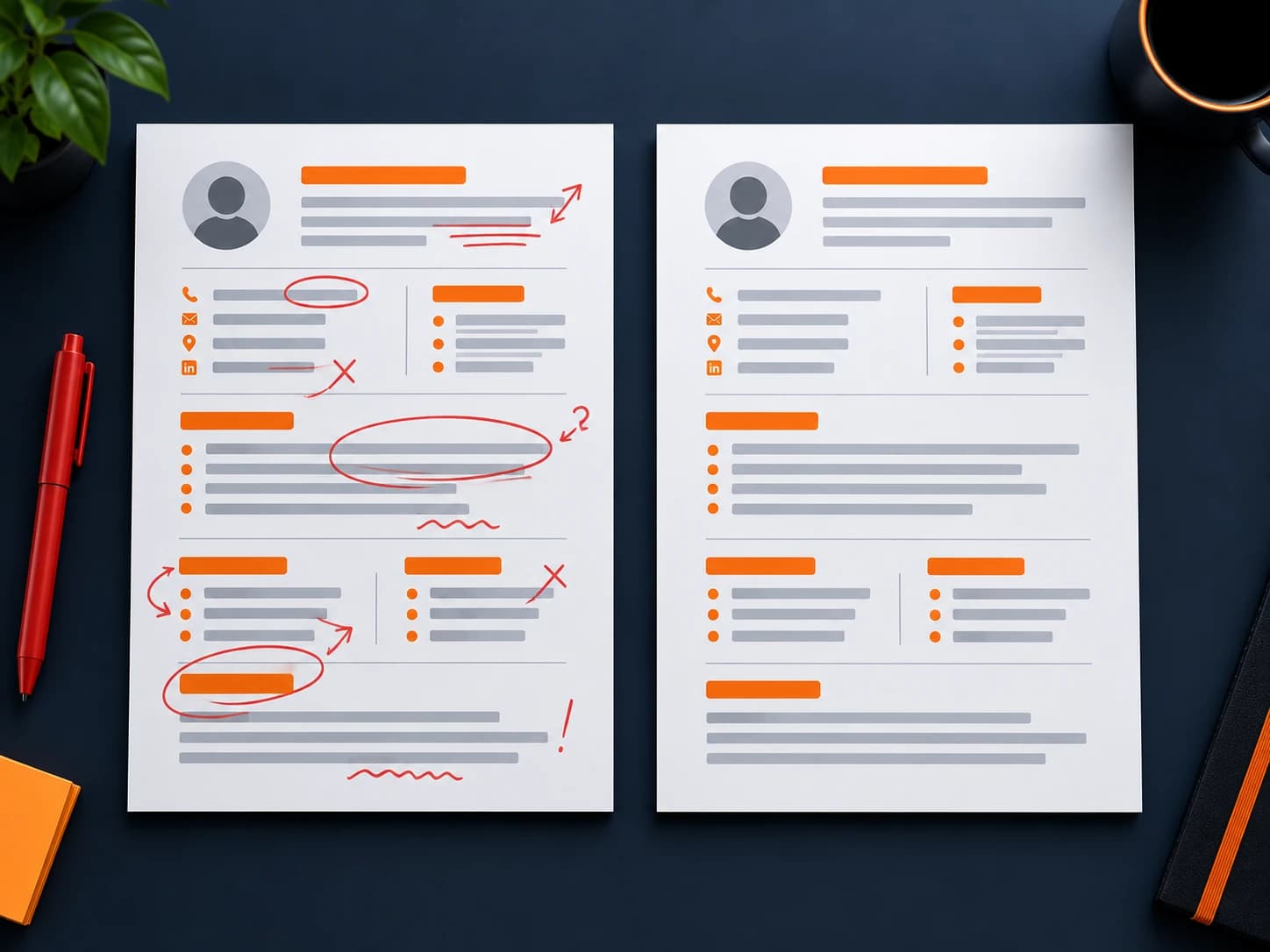
A revision round
A follow-up pass once you have used the documents and seen what happens. Adjusted on evidence, not on a first draft.
Who this is for
Five disciplines, one problem
Inspection & Integrity
- Pressure vessels
- Piping
- Storage tanks
- Risk-based inspection
- Fitness for service
Corrosion & Materials
- Coating inspection
- Cathodic protection
- Materials selection
- Chemical treatment
- Damage mechanisms
Maintenance & Reliability
- Rotating equipment
- Heat exchangers
- Fired heaters
- Pressure safety valves
- Turnarounds and shutdowns
Welding & QA/QC
- Welding inspection
- NDT coordination
- Weld quality and metallurgy
- QA/QC across disciplines
Projects & Engineering
- FEED and design
- Cost estimation
- Planning and scheduling
- Construction supervision
- Asset integrity management
If your work sits anywhere in oil, gas or energy and involves technical judgement, this applies. The disciplines differ. The problem does not.
And if any of these is where you are
- Moving between employers, or from contract to permanent
- Recently certified and entering the market for the first time
- Relocating across the GCC or India and repositioning for a new market
- Visible to recruiters but rarely contacted
- Not looking yet, but want to be found when the right role appears
Ten or more years, and targeting a Lead, Manager or Head role? That move is a different case, made differently. See the Leadership Career Strategy Program
How it works
Three steps, and it starts with a form
Tell us what you are targeting
Fill in the form below. We read every one, and we come back to you either way - including when the honest answer is that this will not help you.
One working session
A structured conversation about your experience, certifications and target roles. Usually 60 to 90 minutes.
Your documents, then a revision
You receive the CV and the LinkedIn rewrite. Once you have used them, we adjust based on what actually happened.

Questions
The things people actually ask
A general writer will make your CV look better. They will not know why API 570 matters more than API 510 for a piping role, why a CSWIP 3.2 reads differently from a 3.1, or which certifications a Gulf operator screens on first. Ours is written by people who have worked in this industry.
Possibly not. Send us what you have and what you are going for - if your CV is working and you are getting interviews, we will say so.
Typically one to two weeks from the working session, depending on how quickly you come back on the draft.
No, and be wary of anyone who does. What we control is whether your experience is presented clearly to the people making the decision. The rest is the market.
Often more so. The best time to fix a profile is before you need it, because recruiters approach people who are visible, not people who have just started looking.
LinkedIn has settings for exactly this, and we will walk you through them. The Open to Work signal can be made visible to recruiters only. Nothing we do requires announcing that you are looking.
Yes, though our strongest knowledge is those markets, and that is where the positioning advice is most specific.
Yes. We work across inspection, corrosion and materials, maintenance and reliability, welding and QA/QC, and projects and engineering. The positioning work is the same regardless of discipline. What changes is the vocabulary, and that is exactly the part a general CV writer gets wrong.
We write it. You review it, we adjust it, and you paste it in. If you would rather do it yourself, we will give you the copy and the instructions.

One conversation could be worth more than a year of applications
Send us where you are and what you are targeting. We will come back to you and tell you honestly whether we can help.
Get started
Tell us what you are targeting
Fill this in and we will come back to you. No obligation, and no charge for the conversation that follows.
What happens next
- 01Someone who has worked in this industry reads it. Not a bot, not a form queue.
- 02We come back to you either way, including when the honest answer is that we cannot help.
- 03The conversation that follows costs nothing, and commits you to nothing.