API SIFE Source Inspector Fixed EquipmentExam Guide & Preparation
API SIFE Source Inspector Fixed Equipment certifies your competency in supplier quality surveillance, examining fabricated and manufactured equipment and materials at a supplier's facility, and confirming the supplier's quality management system is being effectively utilized, before that equipment ever ships to its final site.
API SIFE Source Inspector Fixed Equipment certifies your competency in supplier quality surveillance, examining fabricated and manufactured equipment and materials at a supplier's facility, and confirming the supplier's quality management system is being effectively utilized, before that equipment ever ships to its final site.
SIFE focuses primarily on pressure-containing and structural equipment: vessels, columns and towers, heat exchangers, piping, valves, pressure relief devices, tubulars, and associated structural fabrications. Unlike API 510, 570, or 653, which certify in-service inspection of equipment already installed and operating, SIFE certifies inspection at the manufacturing and fabrication stage, before the equipment leaves the supplier's shop.
The exam runs 110 questions across 3.25 hours, closed-book, with only 100 of the 110 questions scored, the remaining 10 are unscored pretest items. No reference material is permitted, matching the closed-book format used by API 577, 580, 936, and SIRE.
Whether you're looking for a structured API SIFE course, self-paced API SIFE online training, or simply a focused way to study for API SIFE certification around a working schedule, EIM's API SIFE training platform is built to fit all three.
API SIFE vs API 510, 570, and 653
API 510, 570, and 653 certify inspection of equipment already in service, evaluating current condition against corrosion, damage, and wear accumulated over years of operation. API SIFE certifies inspection at the opposite end of an asset's life, at the supplier's facility during manufacturing and fabrication, confirming the equipment is built correctly before it's ever installed.
This makes SIFE a distinct discipline from in-service inspection rather than a competing or prerequisite credential. A source inspector examines material traceability, welding and NDT quality during fabrication, and dimensional conformance against design, work that happens entirely before an API 510 or 570 inspector would ever encounter the equipment in service.
Qualification & Prerequisites
What the Exam Actually Tests
Five domains, weighted by question share. This is the map the question bank is built directly against.
Source inspector responsibilities, supplier quality management system evaluation
Relevant construction codes and standards as they apply to source inspection, not design
Fabrication sequencing, welding and material processing as it applies to fixed equipment manufacture
Inspection technique selection, NDT report review, quality documentation verification
Material traceability, component-specific verification (vessels, exchangers, piping, valves, PRDs, tubulars)
| Domain | Covers | |
|---|---|---|
| 01 | Source Inspector Roles & Supplier Quality Surveillance | Source inspector responsibilities, supplier quality management system evaluation |
| 02 | Applicable Standards & Codes for Fixed Equipment | Relevant construction codes and standards as they apply to source inspection, not design |
| 03 | Manufacturing & Fabrication Processes | Fabrication sequencing, welding and material processing as it applies to fixed equipment manufacture |
| 04 | Inspection Tools, Methods & Documentation Review | Inspection technique selection, NDT report review, quality documentation verification |
| 05 | Material & Component Verification | Material traceability, component-specific verification (vessels, exchangers, piping, valves, PRDs, tubulars) |
01. Source Inspector Roles & Supplier Quality Surveillance
02. Applicable Standards & Codes for Fixed Equipment
03. Manufacturing & Fabrication Processes
04. Inspection Tools, Methods & Documentation Review
05. Material & Component Verification
How to Register and What to Expect on Exam Day
Candidates apply directly through API's Individual Certification Programs (ICP) portal, not through EIM or any third-party training provider. This exam can be scheduled either at in-person Prometric testing centers or through remote proctoring, giving candidates more scheduling flexibility than exams limited to in-person testing only.
Check API's current ICP fee schedule for the official exam fee, which is separate from EIM's API SIFE course, question bank, and study material pricing. Certification is valid for three years from issuance.
How to Prepare for API SIFE - Source Inspector Fixed Equipment
Self-paced by default. Add live instruction if you want structured guidance.
API SIFE - Source Inspector Fixed Equipment Question Bank
900 practice questions across 4 modules, mapped to every BOK domain. Study at your own pace, no fixed schedule required.
Sample Practice Questions
A source inspector observes that a vessel shell section shows minor surface porosity on a weld that has already passed radiographic testing within code acceptance limits. What is the most appropriate inspector action?
During material verification, a source inspector finds that the material certification documents provided for a pressure vessel's shell plate don't clearly match the heat number stamped on the actual plate. What should the inspector do first?
What's Included in the Self-Prep Package
API SIFE Question Bank
Scenario-based source inspection questions mapped to the current API SIFE Body of Knowledge, with a worked explanation for every answer.
API SIFE Study Notes
Downloadable study material covering manufacturing processes, inspection methods, and material verification.
API SIFE Mock Test
Full-length practice exam mirroring the real 110-question, 3.25-hour closed-book format.
Related Certifications
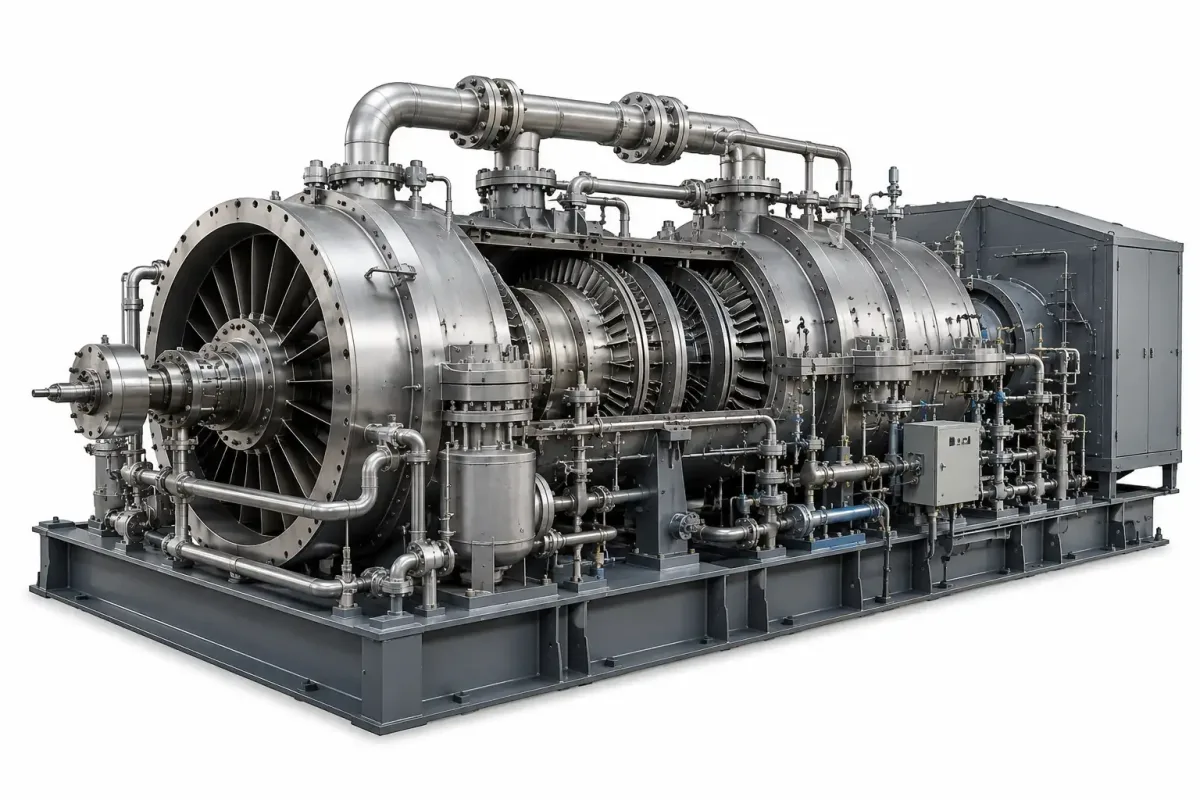
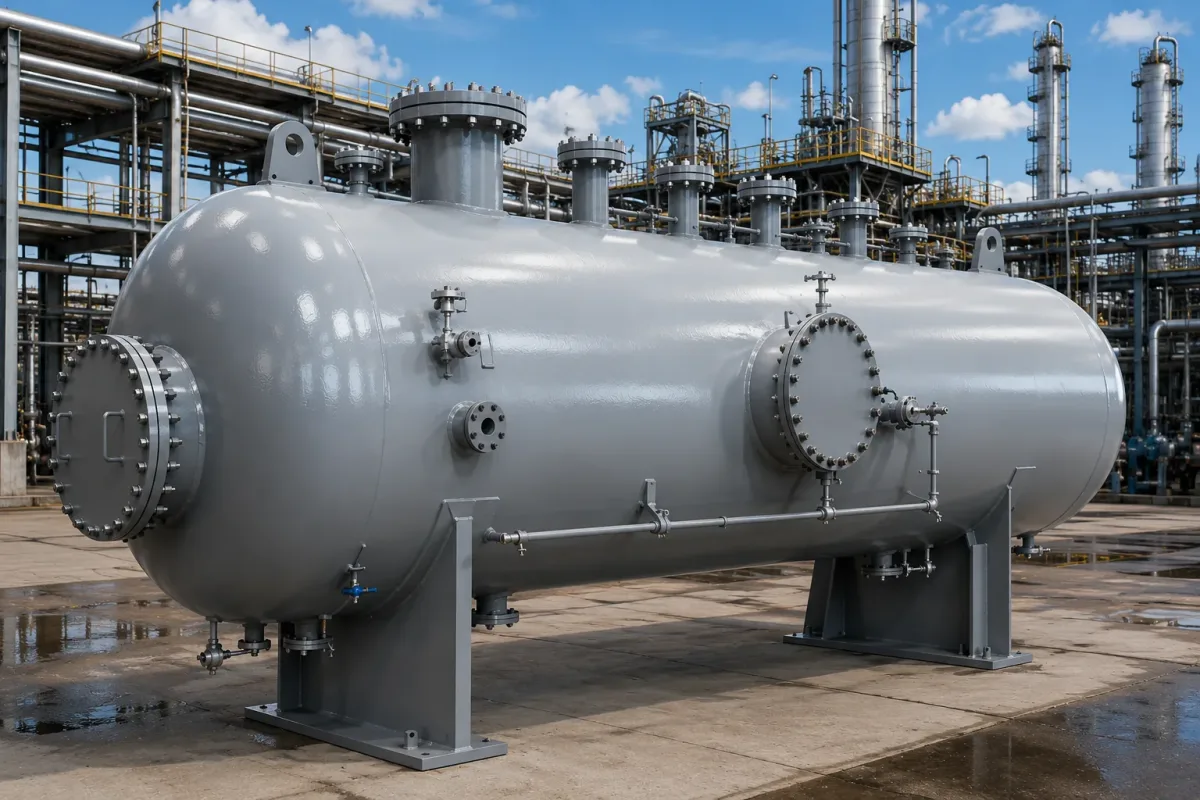
Common Questions
What is the API SIFE certification?
How many questions are on the API SIFE exam?
Do I need prior experience to take the API SIFE exam?
How is API SIFE different from API 510, 570, or 653?
How much does API SIFE certification cost?
Can I take the API SIFE exam remotely?
How long is API SIFE certification valid?
What does EIM's API SIFE training include?
Why API SIFE - Source Inspector Fixed Equipment Matters for Asset Integrity Careers
API SIFE's body of knowledge is deliberately focused on source inspection issues and activities rather than the design or engineering knowledge contained in the underlying reference standards. This is an important distinction for candidates coming from an in-service inspection background: SIFE doesn't test whether you can design a pressure vessel, it tests whether you can verify, at the point of manufacture, that a vessel was built to its design and that the supplier's quality processes actually caught defects before shipment.
Because the exam is entirely closed-book, effective API SIFE exam preparation means building genuine recall of manufacturing quality control checkpoints, material traceability requirements, and common fabrication defects, not just familiarity with the reference codes in the abstract. EIM's API SIFE question bank is built around realistic shop-floor and vendor-surveillance scenarios, since that's the actual working context the exam is designed to test.
- ✓900 practice questions
- ✓4 structured modules
- ✓1 Year
- ✓Mobile-friendly platform
Confused about which certification is right for you? Talk to our experts.