API 936 Refractory PersonnelExam Guide & Preparation
API 936 Refractory Personnel certifies your knowledge of the installation, inspection, testing, and repair of monolithic refractory linings, based on API Standard 936, Refractory Installation Quality Control Guidelines, Inspection and Testing, Monolithic Refractory Linings and Materials.
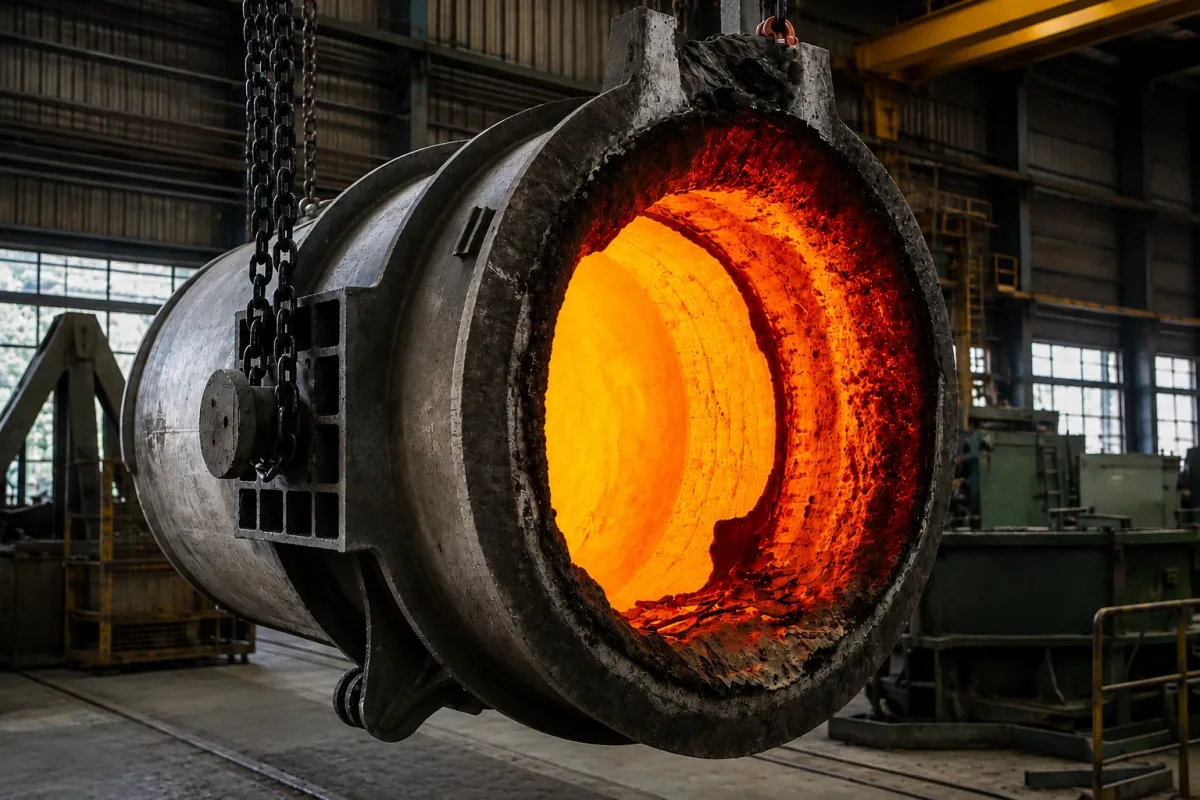
API 936 Refractory Personnel certifies your knowledge of the installation, inspection, testing, and repair of monolithic refractory linings, based on API Standard 936, Refractory Installation Quality Control Guidelines, Inspection and Testing, Monolithic Refractory Linings and Materials.
Refractory linings protect equipment like FCC units, sulfur recovery units, reformers, and fired heaters from extreme process temperatures, and a poorly installed or improperly inspected lining can fail in ways that directly threaten the steel shell underneath it. API 936 validates that a candidate understands both the materials science and the quality-control procedures that keep a refractory lining performing as designed.
The exam runs 85 questions across 3.25 hours, closed-book, with only 75 of the 85 questions scored, the remaining 10 are unscored pretest items. No reference material is permitted, matching the closed-book format used by API 577 and 580.
Whether you're looking for a structured API 936 course, self-paced API 936 online training, or simply a focused way to study for API 936 certification around a working schedule, EIM's API 936 training platform is built to fit all three.
API 936 vs API 510, 570, and 653
API 510, 570, and 653 each require documented equipment-specific experience, and none has an eligibility path fully open to newcomers. API 936 is structured differently: it's open to applicants with any level of experience in the petroleum and petrochemical industries, including candidates specifically seeking to build industry experience, there's no minimum experience threshold or auto-qualify requirement from another certification.
This makes API 936 a genuinely accessible entry point into API's certification catalog for candidates earlier in their career, refractory installation crews, junior inspectors, and QC personnel can pursue it without first accumulating years of documented equipment inspection experience the way an API 510 or 570 candidate would need to.
Qualification & Prerequisites
What the Exam Actually Tests
Five domains, weighted by question share. This is the map the question bank is built directly against.
Personnel roles, responsibilities, and coordination in refractory installation and inspection
Material selection, fiber content percentages, mixing procedures, installation methods
Inspection and data collection procedures, acceptance and rejection criteria, test panel and mockup requirements
Visual inspection technique, non-destructive evaluation methods for refractory linings
Repair methods, defect identification and resolution procedures
| Domain | Covers | |
|---|---|---|
| 01 | Roles & Responsibilities in Refractory Work | Personnel roles, responsibilities, and coordination in refractory installation and inspection |
| 02 | Material Specification, Mixing & Installation Requirements | Material selection, fiber content percentages, mixing procedures, installation methods |
| 03 | Inspection, Data Collection & Acceptance Criteria | Inspection and data collection procedures, acceptance and rejection criteria, test panel and mockup requirements |
| 04 | Quality Monitoring: Visual & NDE Techniques | Visual inspection technique, non-destructive evaluation methods for refractory linings |
| 05 | Repair Procedures & Defect Resolution | Repair methods, defect identification and resolution procedures |
01. Roles & Responsibilities in Refractory Work
02. Material Specification, Mixing & Installation Requirements
03. Inspection, Data Collection & Acceptance Criteria
04. Quality Monitoring: Visual & NDE Techniques
05. Repair Procedures & Defect Resolution
How to Register and What to Expect on Exam Day
Candidates apply directly through API's Individual Certification Programs (ICP) portal, not through EIM or any third-party training provider. Testing is typically offered during four exam windows per year, at Prometric testing centers, with remote proctoring available for this exam in addition to in-person testing.
Check API's current ICP fee schedule for the official exam fee, which is separate from EIM's API 936 course, question bank, and study material pricing. Certification is valid for three years from issuance.
How to Prepare for API 936 Refractory Personnel
Self-paced by default. Add live instruction if you want structured guidance.
API 936 Refractory Personnel Question Bank
900 practice questions across 4 modules, mapped to every BOK domain. Study at your own pace, no fixed schedule required.
Sample Practice Questions
A monolithic refractory mix specification calls for a specific fiber addition percentage to improve thermal shock resistance. During installation, the crew adds fiber at a rate below the specified percentage. What is the most likely consequence?
Before full-scale installation of a new refractory material begins on a large fired heater, what does API 936 typically require to validate the material and installation method?
What's Included in the Self-Prep Package
API 936 Question Bank
Scenario-based questions mapped to the current API 936 Body of Knowledge, with a worked explanation for every answer.
API 936 Study Notes
Downloadable study material covering material specification, installation, inspection, and repair procedures.
API 936 Mock Test
Full-length practice exam mirroring the real 85-question, 3.25-hour closed-book format.
Related Certifications


Common Questions
What is the API 936 certification?
How many questions are on the API 936 exam?
Do I need prior experience to take the API 936 exam?
How much does API 936 certification cost?
What standards does the API 936 exam reference beyond API 936 itself?
How long is API 936 certification valid?
What does EIM's API 936 training include?
Is remote proctoring available for the API 936 exam?
Why API 936 Refractory Personnel Matters for Asset Integrity Careers
API 936's body of knowledge draws from more supporting documents than its short primary standard might suggest: beyond API Standard 936 itself, the exam references API Standards 975 and 976 (brick and fiber lining inspection specifically), API Technical Reports 978-980, and four ASTM test methods covering reheat change, cold crushing strength, workability index, and abrasion resistance. Candidates who only study API 936 itself often find themselves underprepared for questions grounded in these supporting test-method standards.
Because the exam is entirely closed-book, effective API 936 exam preparation means memorizing the practical thresholds and acceptance criteria that come up repeatedly in real installation and inspection work, not just recognizing that a given ASTM test method exists. EIM's API 936 question bank is built around this reality, every practice question is scenario-based and paired with a worked explanation tying the correct answer back to the specific standard section it comes from.
- ✓900 practice questions
- ✓4 structured modules
- ✓1 Year
- ✓Mobile-friendly platform
Confused about which certification is right for you? Talk to our experts.