The Hidden Cost: Understanding the Economic Impact of Corrosion in the Oil & Gas Industry
The article, "The Hidden Cost: Understanding The Economic Impact Of Corrosion In The Oil & Gas Industry", highlights that corrosion is a massive strategic financial concern rather than just a routine maintenance nuisance. Key takeaways include: Economic Impact: The global cost of corrosion in the oil and gas sector exceeds $60 billion annually, encompassing both direct repair expenses and devastating indirect costs like unplanned production shutdowns, environmental cleanup fines, and legal liabilities. Real-World Risks: Major incidents, such as the Prudhoe Bay Oil Spill, demonstrate that neglecting corrosion management can lead to multi-billion-dollar losses and irreparable reputational damage. Mitigation & Best Practices: Effective management requires a combination of material selection, protective coatings, cathodic protection, corrosion inhibitors, and advanced predictive analytics. The Power of Training: Technology alone is insufficient; engineers and maintenance staff must be properly certified in standards like API 571 and NACE CIP to accurately assess risks and implement effective prevention. Conclusion: Shifting from reactive maintenance to a proactive, training-focused strategy is the most cost-effective way for companies to protect their assets, ensure safety, and improve their bottom line.
Nilanjan Sen12 May 20254 min read
Corrosion is often perceived as an inevitable nuisance in the oil and gas industry—a routine challenge that maintenance teams deal with regularly. However, the true economic impact of corrosion extends far beyond surface degradation and equipment wear. It is a multi-billion-dollar issue that silently drains resources, compromises safety, and threatens operational continuity across upstream, midstream, and downstream operations.
Table of Contents
- Understanding Corrosion in the Oil & Gas Sector
- Breaking Down the Costs: Direct and Indirect
- Real-World Case Studies: The Price of Neglect
- Current Mitigation Strategies and Best Practices
- The Crucial Role of Training in Corrosion Management
- A Call to Action: Invest in Prevention, Reap Long-Term Gains
Understanding Corrosion in the Oil & Gas Sector
Corrosion is the deterioration of materials, usually metals, due to chemical reactions with their environment. In the oil and gas industry, harsh operating conditions—including exposure to water, salt, hydrogen sulfide (H2S), carbon dioxide (CO2), and other corrosive agents—accelerate this process. Pipelines, storage tanks, offshore platforms, drilling equipment, and refineries are particularly susceptible.
According to NACE International (now AMPP), the global cost of corrosion in the oil and gas industry was estimated at over $60 billion annually. This staggering figure includes both direct and indirect expenses and underscores the pressing need for industry-wide awareness and proactive management.
Breaking Down the Costs: Direct and Indirect
Direct Costs
These are expenses directly tied to corrosion-related maintenance and repairs, including:
- Replacement of corroded components
- Protective coatings and corrosion inhibitors
- Inspection and monitoring systems
- Equipment downtime during maintenance
Indirect Costs
These often surpass direct costs and encompass broader operational and financial consequences:
- Production losses due to unplanned shutdowns
- Environmental cleanup and fines from leaks or spills
- Legal liabilities and insurance claims
- Reputational damage and loss of stakeholder trust
While direct costs are easier to quantify, indirect costs can significantly amplify the economic burden of corrosion over time.
Real-World Case Studies: The Price of Neglect
- Case Study 1: Prudhoe Bay Oil Spill (2006) - BP’s Prudhoe Bay pipeline in Alaska suffered a massive corrosion-related failure, resulting in a spill of over 200,000 gallons of crude oil. The incident led to the temporary shutdown of the field, legal action, and more than $2 billion in cleanup and repair costs, fines, and lost production.
- Case Study 2: Gulf of Mexico Offshore Platform - An offshore platform experienced severe corrosion in its riser system, which went undetected due to insufficient inspection protocols. The platform required an emergency shutdown, and the repair costs, combined with lost production, totaled approximately $500 million.
These examples highlight how corrosion, when underestimated, can escalate into crises with substantial financial repercussions.
Current Mitigation Strategies and Best Practices
The oil and gas sector employs a range of strategies to combat corrosion, from preventive design to advanced monitoring technologies. Best practices include:
- Material Selection and Design: Choosing corrosion-resistant alloys and designing for drainage and access reduces vulnerability.
- Protective Coatings: Application of paints, epoxies, and linings create a barrier against corrosive environments.
- Cathodic Protection: Impressed current and sacrificial anode systems protect buried or submerged metal structures.
- Corrosion Inhibitors: Chemical treatments added to fluid systems slow down corrosion rates.
- Monitoring and Inspection: Non-destructive testing (NDT), ultrasonic testing, corrosion probes, and smart sensors provide real-time insights into material integrity.
- Predictive Analytics: Integrating data from sensors with AI and machine learning tools helps predict corrosion risks before failures occur.
Despite the availability of these tools, their effectiveness hinges on proper implementation, routine monitoring, and trained personnel.
The Crucial Role of Training in Corrosion Management
Effective corrosion management is not solely about technology—it’s about people. Engineers, technicians, and maintenance staff must understand the mechanisms of corrosion, recognize early warning signs, and implement mitigation strategies correctly.
Specialized Training Programs
Certifications such as AMPP/NACE CIP (Coating Inspector Program), CP (Cathodic Protection), and API 571 (Corrosion and Materials) equip professionals with the knowledge and skills to:
- Assess corrosion risks accurately
- Apply protective measures effectively
- Comply with regulatory and industry standards
- Minimize economic and environmental impacts
Key Standards & Compliance
In the oil & gas sector, compliance with recognized standards is not just best practice — it’s a legal and operational necessity:
- ASME Section VIII: Certifies the mechanical integrity of pressure vessels.
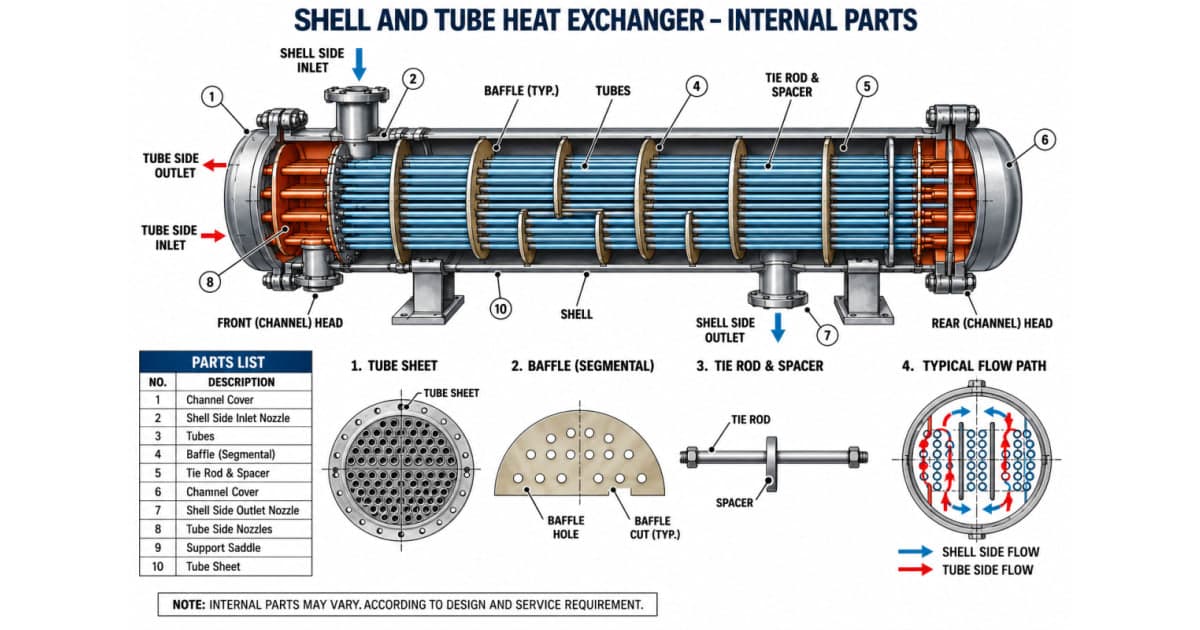
- TEMA Standards: Provide guidelines for exchanger construction, tolerances, and materials.
- API Standards (e.g., API 660): Used in refinery applications for design, fabrication, and testing.
A Call to Action: Invest in Prevention, Reap Long-Term Gains
Corrosion in the oil and gas industry is not an isolated technical issue—it is a strategic financial concern. Companies that underestimate its impact risk facing catastrophic losses, regulatory penalties, and reputational harm. On the other hand, those who proactively invest in corrosion prevention, technology, and personnel training stand to benefit from improved reliability, operational efficiency, and cost savings.
It is time for industry stakeholders to shift their mindset from reactive maintenance to proactive prevention. Prioritizing corrosion management training programs is one of the most cost-effective steps a company can take to protect its assets and bottom line.
The hidden cost of corrosion may be high, but with the right knowledge, tools, and training, it is a cost that can be controlled—and significantly reduced.